Your FYP Wants You To Try The "Dopamine Detox." But Does It Actually Reset Your Brain?

Published on Apr 3, 2026
Is your daily screen time creeping up on you (again)? One minute it's a quick check, the next it's been hours and your thumb has done more cardio than you have all week.
Somewhere along that spiral, the idea of a "dopamine detox" usually pops up. The promise is simple: log off, cut the noise, and skip fast, feel-good hits like doomscrolling, binge-watching, or impulse shopping. Supposedly, this can "reset" your brain, help you regain focus, and let you start enjoying the simple things again.
This is what a dopamine detox can look like IRL: delaying that sweet treat until after the hectic work week instead of giving in to instant satisfaction, or ditching your earphones and the usual commute playlist on your 30-minute ride back home so you can just… be.
It's an appealing idea—less chaos, more focus, maybe even time to rediscover hobbies that don't involve a screen (re: the analog life). Anyone who's caught their own reflection on a dark laptop screen after just one more episode knows how crappy that moment hits. And when you finally take that short break, there's something oddly refreshing about it—like your brain just exhaled.
But is dopamine really something you can detox from?
Cosmopolitan Philippines tapped Dr. Jannah Trixie Cuevas, a.k.a. the GenZ Psychologist, a licensed psychologist and psychometrician to to give us all the scoop on this Internet-fueled wellness reset.
Dopamine Isn't The "Pleasure Chemical" You Think It Is
Dopamine often gets labeled as the brain's "pleasure chemical," but Dr. Cuevas says that framing can be misleading. "Think of dopamine not as the 'reward' itself, but as the brain's internal GPS for what to do next," she explains.
It's the chemical of anticipation and drive, nudging you toward things your brain predicts will be rewarding—like reaching for a snack when bored or checking one more notification.
"It's the brain's way of saying, 'Pay attention! Something potentially good is about to happen, so go get it,'" she adds.
This is also why dopamine plays such a key role in habit formation. "Every time you engage in something your brain interprets as beneficial—whether that's eating, connecting with others, or even completing a small task—dopamine acts as a reinforcement signal."
Why Your Brain Keeps Reaching For Your Phone
By now, the reflex is all too familiar: a five-minute scroll turns into a bedrotting session, a casual snack becomes a mini feast, and one blind box somehow leads to three. "[All of these] function much like slot machines," Dr. Cuevas says. "The uncertainty of what you'll see next is exactly what makes them so habit-forming."
Sometimes a scroll gives you something funny, interesting, or validating. Other times, it doesn't. But because the next scroll might be the one that does, your brain stays engaged.
"Dopamine is actually most active during the anticipation of a reward, rather than the reward itself," she adds. So it's not really about what you're getting—it's about chasing what might come next. That's why we trick ourselves with the classic "just one more episode/bite/box."
Over time, this conditions the brain to favor fast hits of stimulation and the thrill of the next hit. Slower activities—like reading a few pages, focusing on one task, or simply resting—can start to feel almost too slow.
So, what can you do instead of a dopamine detox?
Simple: adjustment. "Dopamine isn't a 'poison' that needs to be drained from your system," Dr. Cuevas raises. "You can't just 'reset' your brain over a long weekend by cutting out everything fun."
So why do people often report feeling better after taking breaks from screens or overstimulation? Dr. Cuevas highlights that the real issue is pace. After months (or years) of chasing quick-hit pleasures, your brain has gotten used to the speed.
Immediately pulling the plug doesn't reset it overnight. Instead, it gives your mind the breathing room it's been craving, "to find value in the quieter, more subtle rewards of everyday life."
Try spending the first 10 minutes after waking up phone-free or just sit in silence for a few minutes. Even lying flat on your back with your feet up can help your body relax and your mind reset.
This shift nudges your nervous system away from the high-alert, fight-or-flight mode and into the rest and digest state, letting your brain chill, recharge, and actually enjoy the small moments you've been rushing past.
So, no—you don't have to ghost all your guilty pleasures or log off forever. It's less about cutting dopamine and more about giving your brain room to breathe, notice the little things, and actually enjoy them.
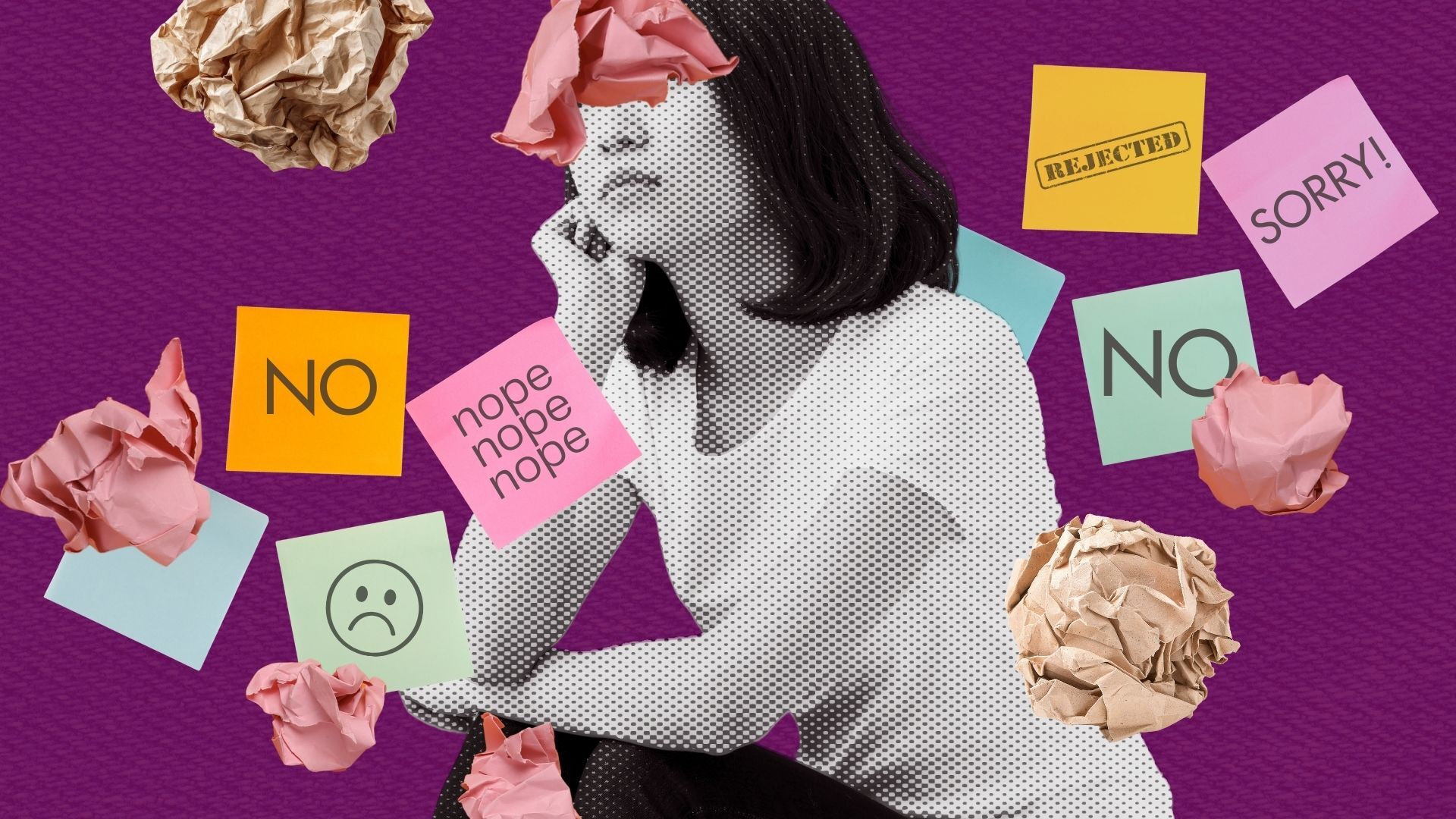
Everyone's Doing Rejection Therapy Now—But What Does Getting A "No" Actually Do To Your Brain?
Apparently, you gotta start saying yes to more "nos."
READ MOREJustina is the Editorial Assistant of Cosmopolitan Philippines. She's a Southie who's always collecting stickers, cafe receipts, and proof she’s living her best life (in the name of content, of course).