Is It Just Us, Or Do We All Feel Younger Than We Actually Are? A Psychologist Explains Why
by Sheila Tan
Published on Aug 7, 2026
You're in your late 20s, but somehow still feel like you're 25. People have a hard time guessing your age based on how you look, what you say, and, of course, what your algorithms serve you. Your Spotify Wrapped is giving a decade ago, while TikTok seems convinced you're 21—even if the age on your I.D. says otherwise.
So, what gives? Why do so many of us feel younger than our actual age? Is it the pandemic? The wellness era? Or is there something deeper going on?
It turns out one reason we're all feeling forever 25 has to do with how we see and evaluate ourselves. Dr. Maria Naval Rivas, a developmental psychologist, explains that people who feel younger than their actual age often have what's called an internal locus of self-evaluation. In simple terms, they look to themselves—not their age or other people—for cues about whether they're where they're "supposed" to be in life.
They measure their progress on their own terms instead of relying on societal age markers or external timelines. And when you're not constantly comparing yourself to what someone your age is "supposed" to be doing, your age can feel a lot less defining. That sense of personal autonomy can help people stay mentally young and flexible, no matter how many years pass.
So, what are the other factors making us feel younger than we are?
Your "felt age" can be different from your actual age.
Psychologists call this "Subjective Age." It's how old one feels compared to how old one really is. Research shows that many people feel younger than their actual age, and this is a sign of better mental and physical health. It's less about denying our age and more about how we experience it.
Our "felt age" can also be influenced by how we express ourselves and how much authority we give ourselves to decide who we want to be. People who are able to dictate who they want to be are also said to have internal authority, meaning they give more importance to their own opinions compared to those of others.
The pandemic messed with our sense of time.
The pandemic felt like the world hit pause for a few years. And with that pause came birthday celebrations, life milestones, career progression, and dating. Suddenly, there were fewer reminders that we were getting older, and the timelines we thought we were supposed to follow felt a little less clear.
Being forced into isolation also gave us some distance from societal expectations. We had a loong moment to reflect on our lives without everyone else's opinions in the mix, and figure out who we actually wanted to be and how we wanted to live. Since our life milestones were put on hold, it's no wonder some of us still feel like we're catching up to the age we're supposed to be.
The Internet has changed how age groups connect.
We used to mostly hang out with people our own age—our classmates, coworkers, friends, and whoever else was in our orbit. Naturally, that meant we were more likely to share the same references, trends, and ideas about what people our age should be into.
The Internet threw that out the window. Now, you can be 28 and obsessed with the same fandoms, music, trends, and memes as someone who's 21—or 35. Being constantly exposed to people and interests outside our own age group can make age feel less like a defining part of who we are.
Wellness and science are changing how we age.
The past decade has seen a shift toward healthy being the new cool. With more ways to take care of ourselves, feel good in our bodies, and maintain a youthful appearance, it's easier than ever to feel younger than our actual age. More people are choosing healthier lifestyles, whether that means running, hitting the gym, eating better, or simply finding ways to feel good in their bodies.
Advances in science have also given us better ways to take care of ourselves. Choosing a good night's sleep over a bad hangover is now self-care, not being "no fun." From anti-aging supplements and fitness studios to healthier food and better skincare, there's also a whole industry built around helping us feel and look our best.
And it goes both ways: While how we feel inside can show up on the outside, how we look can also affect how we feel. People in their 40s a decade ago can look very different from people in their 40s today.
We're rethinking what it means to grow up.
Mental health has become a bigger part of everyday life in recent years. We're seeing it come up everywhere—from school and work to our social media feeds. All that exposure has made us more aware of our own thoughts and feelings, and more comfortable setting boundaries around other people's opinions and expectations.
It's also pushed more people toward self-love and self-care. The whole "You do you" mindset has given us more freedom to decide who we want to be, rather than follow a set idea of who we're expected to be at a certain age. When we give ourselves that freedom, our age can feel a little less defining, too.
So, is it good or bad?
The classic answer of "it depends" applies here. Do you like how you feel? Do you like who you are? Is it bringing you closer to the life you want?
If your answer is yes, then go ahead and feel whatever age feels right to you! Feeling younger isn't about refusing to grow up—it's about knowing you get to choose how you want to live. Getting older doesn't mean you have to leave behind the parts of yourself that still feel young.
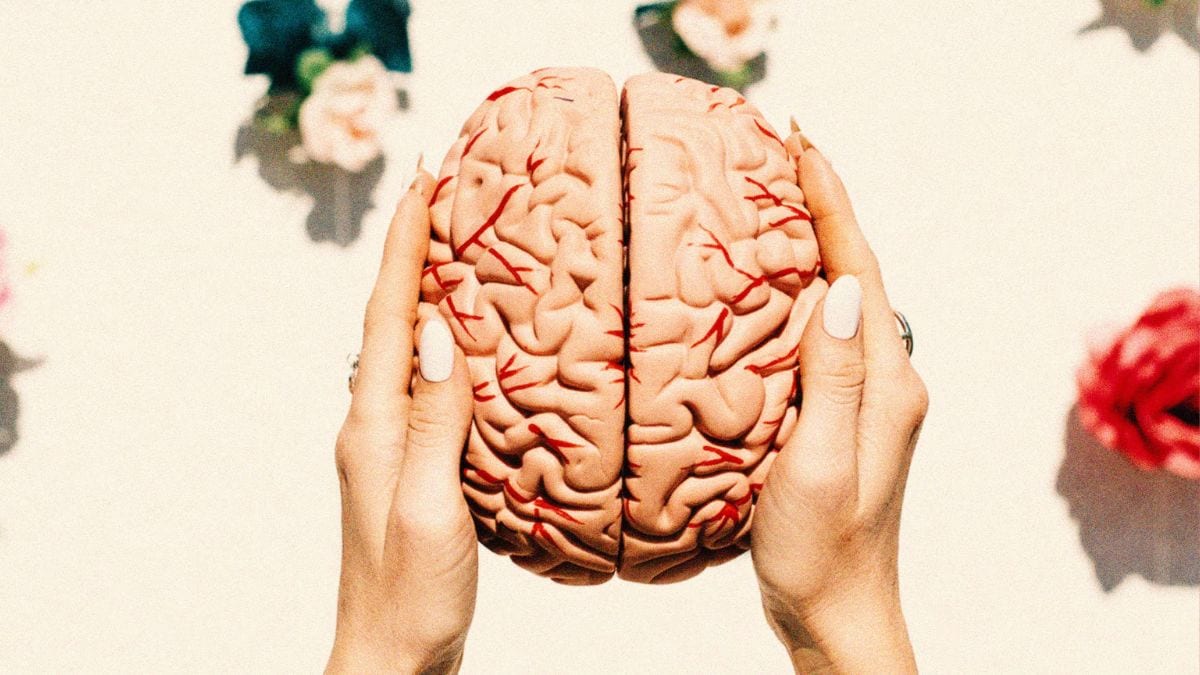
Want To Keep Your Brain Healthy And Thriving? Start With These Everyday Habits
Your future self will thank you for making these small changes. 🧠
READ MORE