Filipina Olympian Maxine Esteban Is Changing The Game For Athlete Rights With Hidilyn Diaz And EJ Obiena
Published on Oct 2, 2025
When you think of Maxine Esteban, chances are you picture her in full fencing gear: quick, sharp, and v fierce on the piste. But her latest victory didn't come from a championship bout—it came from the halls of Congress.
Earlier in September, House Bill No. 4175, also known as the National Athletes' Rights Protection Act, was officially read. Co-authored by Maxine alongside Olympic gold medalist Hidilyn Diaz and pole vault champion EJ Obiena, the bill seeks to protect and empower national athletes in the Philippines—a first-of-its-kind move that could change the landscape of local sports forever.
In an exclusive interview with Cosmo, the Filipina fencer and Cosmo Woman of Influence 2025 Awardee shares her thoughts on such a historic act and why this moment is bigger than any medal or award.
Why This Victory Hits Different
For Maxine, seeing the bill introduced was nothing short of transformative. "[I felt] a profound mix of validation and heavy responsibility," she tells Cosmo. "After a year of difficult conversations, meticulous drafting, and reliving our own struggles, seeing it formally introduced was a moment of victory not just for me, Ate Hidilyn, and EJ, but for every national athlete who has ever felt powerless. This was the first major step toward turning our pain into protection for the next generation."
That pain, for Maxine, is deeply personal. "I experienced being removed from the national team without any formal notice or explanation after a decade of service," she shares. ICYDK, Maxine represented the Philippines until 2022, but has since switched her sporting nationality to compete for the Côte d'Ivoire (Ivory Coast) internationally.
"That feeling of powerlessness, where you have no right to be heard or to defend yourself, is something no athlete should ever face. This provision is important because it affirms that athletes are not just commodities; we are citizens with fundamental rights that must be respected, even within the world of sports."
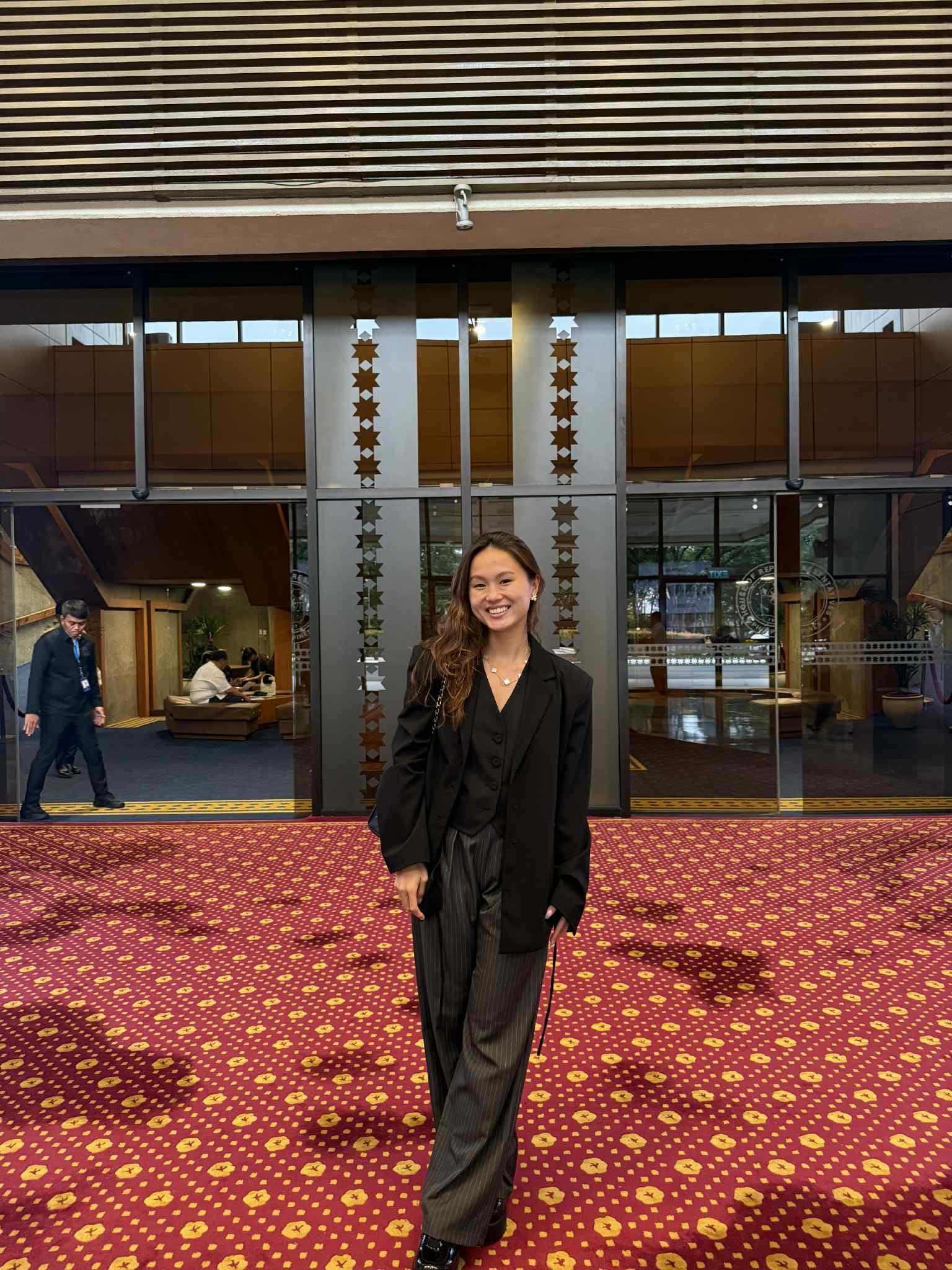
Three Athletes, One Advocacy
Working with Hidilyn and EJ gave Maxine the kind of solidarity athletes rarely experience. "In sports, we compete as individuals, but this was plain teamwork,” she shares. "Despite coming from different sports, our shared experiences created an instant bond and a deep understanding. We'd share stories—some frustrating, some heartbreaking—and that solidarity was our driving force."
"Working with them reinforced that our greatest legacy won’t just be the historic firsts or the medals we win, but the system we change for those who come after us."
That solidarity reflects a broader truth: Philippine sports has long celebrated individual success stories, but rarely addressed the systemic issues behind them. This bill aims to flip that narrative. "For too long, the attitude has been that athletes should just be grateful to represent the country, regardless of the conditions. This bill challenges that. It redefines the athlete-system relationship from one of gratitude to one of mutual respect."
If passed, the legislation could set new standards for national sports programs: guaranteed due process for athletes, better financial and educational support, and a cultural shift in how athletes are treated—not as disposable performers whose only aim is to win medals, but as professionals with rights.
The Fight That Goes Beyond Medals
While news headlines often focus on athletes' medals and podium finishes, what happens after the spotlight fades is just as important. Careers in sports are short, and without proper support, many athletes struggle with the transition to life beyond competition.
The National Athletes' Rights Protection Act addresses this gap by proposing pensions, scholarships, and even mandatory mental health support—something Maxine feels strongly about. "An athlete's career is short, and the transition to life after sports can be stressful and challenging. Adding education, skills training, and even pension provisions acknowledges the whole person of the athlete, not just their performances," she explains.
"Especially nowadays, with the advances in technology and social media, athletes become very prone to bashing and cyberbullying. I believe that including mental health support and safe sport provisions is even more important than skills training or financial support."
Maxine might not be repping the Philippines in competitions anymore, but she's still intent on fighting for the welfare of her fellow Filipino athletes. "I think the fire inside me—of wanting to change the system through legislation for the protection of the future generation of Filipino athletes—will always burn. I may not be representing the Philippines anymore in the sporting stage, but I will continue to make a meaningful contribution and impact in the lives of others."
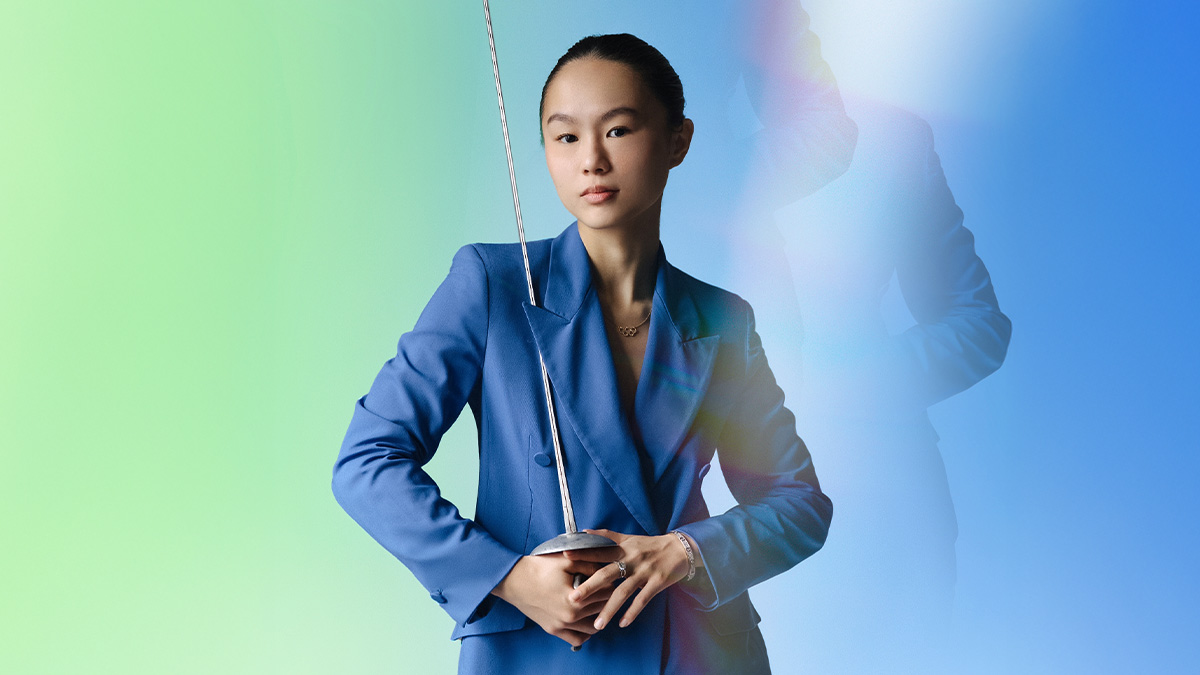
Maxine Esteban Is The Women Of Influence 2025 Game Changer
Maxine is changing the game on and off the piste.
READ HERECheska is Cosmo's Lifestyle Editor. She loves hoarding blushes, oversharing in drafts, and pretending impulse buys are "for work." Follow her on IG: @cheskasntg