What You Need To Know Before Your First Hike—From Someone Who's Done All The Don'ts

by Nicole Sy
Published on Jul 15, 2026
When your barkada suddenly wants to climb a mountain, are you the type to think twice and overprepare? Or would you jump in headfirst, believing: "YOLO, what's the worst that could happen?"
As it turns out, a lot more than you'd think. 😵💫 But don't worry, Cosmo's got your back. Here are a few things I learned after my first hike so you won't have to miss out on your latest adventure:
What Can I Expect From My First Hike?
While you can generally arrange a hike by yourself, it's advisable to enlist in a tour group on your first climb, especially if you're clumsy (like me). Afterall, this wouldn't really be the best time to make a misstep, would it?
My first hiking experience was in Mount Kulis, with the tour package including nearby attractions like Noah's Ark and Sambong Peak. It was a deal my friend bagged in the Akyat Bundok FB Group to ease our planning. And so, since everything—down to the transportation—was accounted for, I severely underestimated the preparation I had to go through.
As it was a beginner-friendly mountain, Mount Kulis indeed felt like a walk in the park, with our trek spanning less than 30 minutes on a steady uphill terrain. It was a comfortable spot to watch the sunrise and there were many seats offered for resting. With the golden sun peaking steadily over the mountains, a photo with the iconic Mount Kulis sign is definitely one for the books.
However, the climb to Sambong Peak tells another story. The steps were steeper, the trail was narrower, and every step taken felt like another reminder of how unfit we are (oops… maybe we should've started with increasing the inclination in our treadmills 😅).
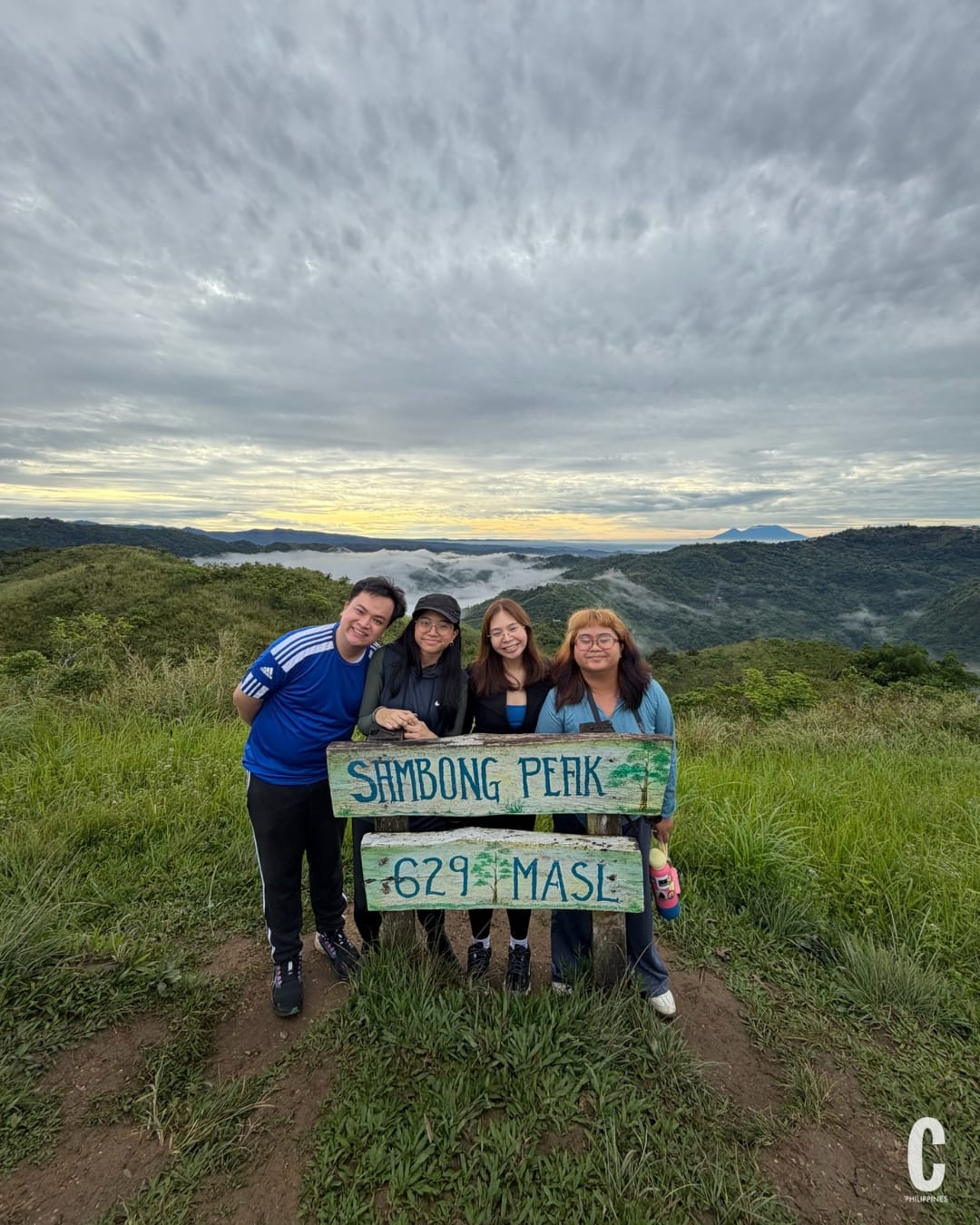
At 629 MASL, a picturesque view of the trail greeted us. I felt like Jack in Titanic, ready to shout "I'm the king of the world!" with how high I was from sea level. And so, with IG-worthy photos in hand and adrenaline pumping, I continued the hike with a renewed spirit.
Next on the list was Noah's Ark, and just like how Noah had a difficult journey in the boat, the trail going there was nothing short of challenging. Between the sticky mud and slippery turns, most of us quickly realized we weren't prepared for the trail conditions ahead.
The trail back was no different—arguably even muddier than the journey there. Eventually, though, we made it back in one piece and with one(!) sole intact. Yes, the sole fell off my shoe, but at least I came back stronger, with a stick in hand.
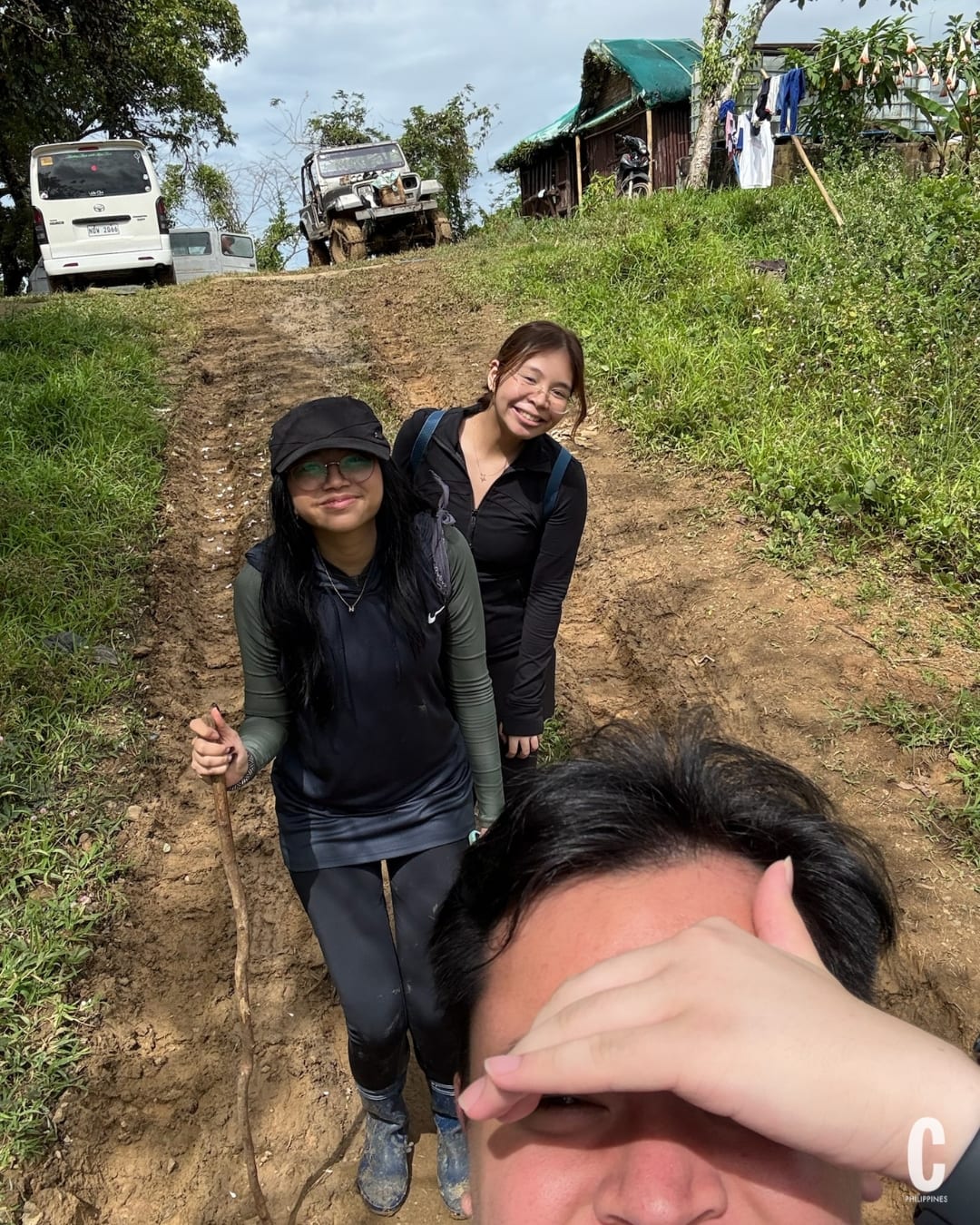
The hike was grueling enough for one of my friends that one of them tapped out for the other half of the tour, wishing she'd known better. As for whether we'd do it again? Absolutely—but next time, we're showing up a lot more prepared.
Here's everything we learned from our first hike, so you can spend less time struggling and more time enjoying the view:
Things I Learned After My First Hike
Invest in your hiking shoes.
When we arrived at the trail, the first thing our tour guide told us was to take a photo of our shoes—we thought that was a funny way to start the hike. Little did we know the before and after story that would greet us, but we'll let you be the judge of that, LOL!
Jokes aside, what shoes should you wear? First of all, don't bring your Sambas like my friend, because it would be unrecognizable the moment you leave the mountain. Next, don't wear old sneakers where the soles might start losing their grip, because after the mud, some of us were left with one sole (or none). And trust me, no shoe glue can save you from the inch-deep mud weighing you down.
You don't necessarily have to buy hiking shoes, especially for a beginner-friendly mountain, but wear rubber shoes with enough grip—ones with enough spikes or edges on their soles that you won't slip and slide at every turn.
Pack light—but not without the essentials.
Although you can leave your bag in the van, it's important that you have enough to survive your trek. Bring a towel and a water bottle because you will definitely sweat a lot. While there are usually sari-sari stores nearby, having a water bottle ensures that you won't be thirsty along the path.
Don't forget to wear sunscreen on the way as well, and pray it won't rain. In the off chance that it does, bring a raincoat and extra clothes you can change into. Also another essential? Band-Aids, because it's always better to be safe than sorry.
Pace yourself with hiking sticks.
You'll always have that one friend who's more athletic than the rest, and they might look like they're speedrunning this trek as if they're breaking a record. Resist the urge to keep up if it means pushing yourself beyond your limits. If it's your first time, just go at your own pace even if it means lagging behind. The goal isn't to reach the summit first—it's to get there safely and enjoy the experience along the way.
Going uphill may be tough, what with gravity pulling you down, but don’t underestimate the descent—it's easier to skid, especially if the trail is slippery. That's why it's a good idea to bring a hiking stick, which can help with balance and take some pressure off your knees during steep sections. If you forget to bring one, don't worry too much—tour guides often have spare sticks on hand or can point you toward a sturdy branch you can use along the way.
Never risk your safety for a picture.
I know that having that IG-worthy pic with the sky-high view is something that hikers always yearn for, but don't shoot it in risky places. Tour guides usually prompt you where to pose and even offer to take your pic for you, so don't go to uncharted spots alone, especially if it's your first time. The view will still be there, and you'll enjoy it a lot more when you're focused on the experience instead of chasing the perfect shot.

New To Hiking? These 5 Beginner-Friendly Mountains Are The Perfect First Step
Start strong with hikes that are doable and actually fun. 🏔️
READ HERENicole Sy is an editorial intern at Cosmopolitan Philippines. If she's not busy crocheting and binging her latest kdrama, you can find her playing detective and psychoanalyzing you for your MBTI.