'Obsession' Perfectly Captures The Scariest Dating Red Flag: The Self-Proclaimed 'Nice Guy'

Published on Jun 9, 2026
PSA: Major spoilers ahead for Obsession.
At this point, most women know that a man who describes himself as a "nice guy" is rarely ever a green flag. Not because kindness is suspicious, obviously—we love kindness! We love emotionally available men! But there's a v specific type of guy who thinks being decent immediately makes them worthy of your time and attention.
And the thing about these men is that the niceness goes away the second they realize you won't reciprocate or reward them simply for being "nice."
That's what makes Obsession (2025) feel so deeply unsettling. Underneath all the gore, well-executed jump scares, and Freaky Nikki chaos, the movie is really about a man who believes wanting a woman badly enough should matter more than whether she actually wants him back—which, unfortunately, isn't a fictional concept at all.
Some men want love without the risk of rejection
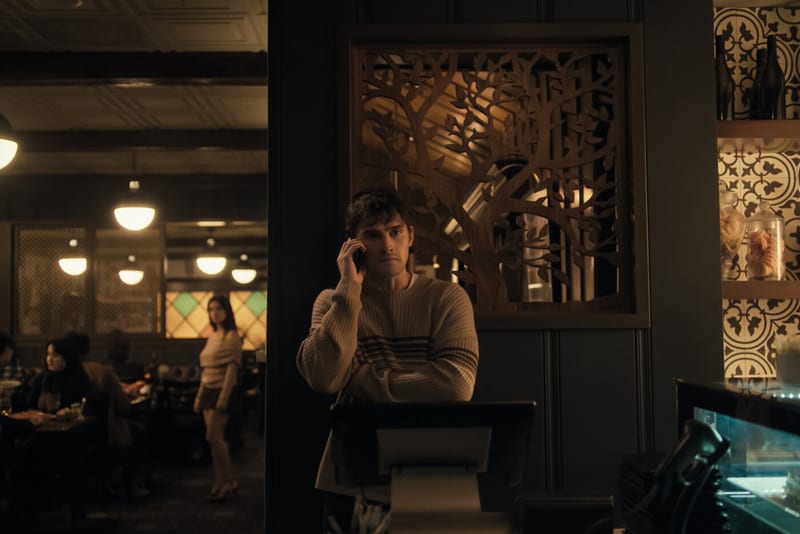
When we first meet Bear (Michael Johnston), the movie frames him as the kind of guy your friends would tell you to "just give him a chance." He's soft-spoken, shy, and awkward—to the point that he had to be coached by his friend Ian (Cooper Tomlinson) on how he should confess his feelings for their mutual friend, Nikki (Inde Navarrette). The film v intentionally sets him up as someone you're supposed to sympathize with.
Which is exactly why the reveal works so well.
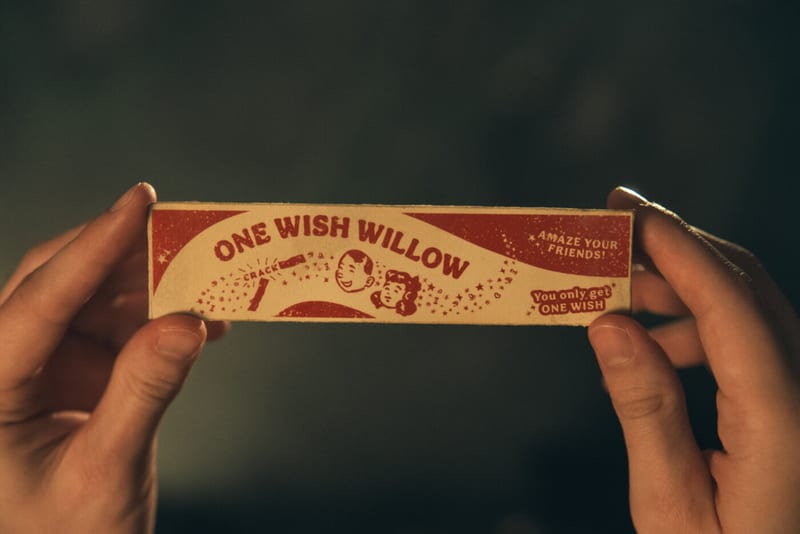
Because instead of simply confessing his feelings to Nikki and accepting that she might not feel the same way, Bear uses the One Wish Willow (that he was supposed to gift her, btw!) and wishes for Nikki to "love him more than anyone in the world."
And that changes things completely. Because if you really think about it, Bear doesn't actually want love. Love requires vulnerability, uncertainty, and most importantly, accepting that the other person has the freedom to choose you—or not choose you.
But instead, what Bear wants is the easy way out. Guaranteed reciprocation.
He wants Nikki's love without the terrifying possibility of rejection. He wants emotional certainty without emotional risk. And that's exactly what makes him such an effective representation of the "nice guy" archetype—beneath all the softness and yearning is entitlement.
The fine line between affection and control
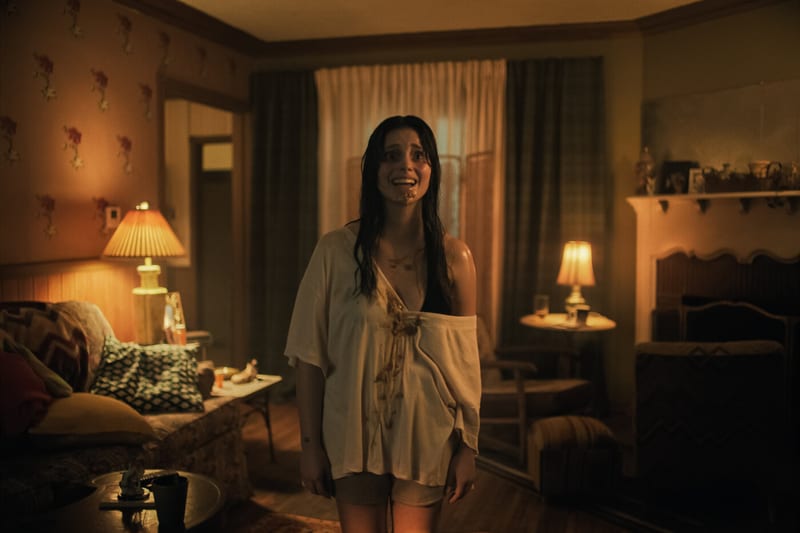
After the wish takes effect, things seem okay at first. Bear and Nikki happily start dating. She's so into him, and Bear is clearly enjoying himself in this newfound relationship. But as time goes by, Nikki transforms into a terrifyingly obsessed version of herself, a.k.a. Freaky Nikki.
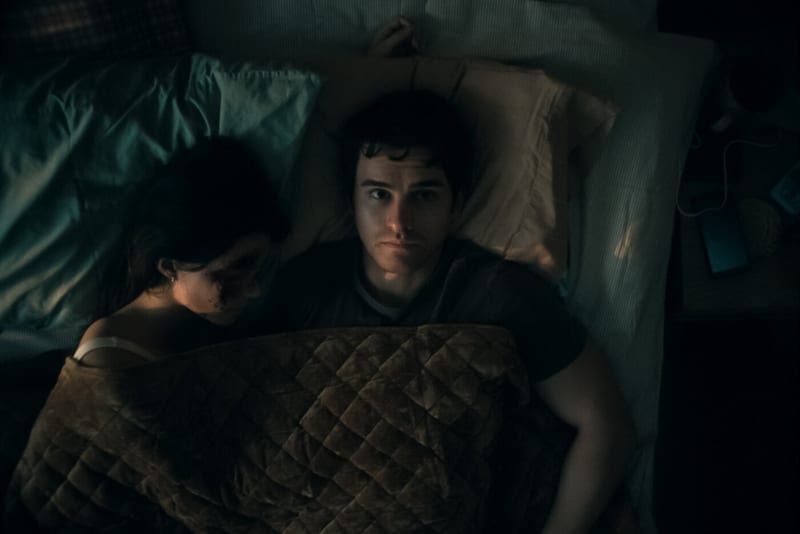
She watches Bear from the dark corner of their room as he sleeps (then screams and accuses him of not loving her), tapes the front door shut to prevent him from leaving the house, and even makes him a sandwich using his dead cat's (!!!) remains.
Watching Bear slowly become overwhelmed by Nikki's obsession feels similar to listening to a guy complain that the girl he aggressively pursued got "too attached."
One of the movie's creepiest recurring moments is when Bear desperately begs Nikki to "just be Nikki again," only for her to frustratedly respond, "I can't."
The line completely reframes Nikki's "obsession" because it no longer feels like Freaky Nikki speaking—it feels like the real Nikki briefly surfacing underneath. She's trapped inside her own body while this obsessive version of herself performs the fantasy Bear wanted.
Posession isn't the same as intimacy
One of the film's most disturbing scenes happens after Bear already understood that the Nikki he's dating wasn't really Nikki to begin with.
After their date at a restaurant where he comes to this realization, it then smash-cuts to Bear having sex with her, with Freaky Nikki moaning and clinging to him. But Nikki herself just stares blankly into space the entire time. There's no emotion on her face at all. She looks completely absent from her own body.
The scene is horrifying because it feels like two versions of Nikki are existing simultaneously: the obsessive version Bear created carrying out the fantasy he wanted, while the real Nikki remains trapped underneath it all, disconnected and powerless.
That specific moment completely destroys any illusion that this relationship is romantic, or even consensual.
Up until then, Bear still seems desperate to believe there's some version of his "dream" relationship left to salvage. But the scene forces the audience to confront the reality that the girl in front of him isn't truly participating in any meaningful sense. She's barely even there.
The problem with men who think being nice earns them romance
The movie's saddest scene happens when Nikki briefly regains consciousness while Freaky Nikki is asleep.
For the first time, we see that the real Nikki is fully aware of what's happening to her. She's terrified, and trapped inside her own body while another version of herself runs around performing Bear's fantasy. And in one of the bleakest moments in the movie, she begs Bear to kill her because she can't continue living this way.
What makes this scene terrifying isn't just Nikki's desperation—it's Bear's response. Instead of focusing on her pain, he just asks, "What's so wrong with being with me?"
His response was disturbing because Bear still manages to make it about himself even while Nikki—who he's supposedly so in love with and devoted to—is begging him for help. Even at her absolute lowest point, he remains fixated on the fact that she still doesn't genuinely want him.
To make matters worse, Nikki responds with, "I've never been with you."
It's the first time Nikki directly tells Bear that none of this was ever real or consensual. The obsessive version of herself worshipping him was never actually her. She was trapped underneath the fantasy the entire time. But what makes Bear so spine-chilling is that he still struggles to fully accept that truth.
Why every woman recognizes a guy like Bear
Bear never sees himself as the villain for most of the movie because he genuinely believes he's a good person with good intentions—he just wants to get the girl, right? He's emotionally vulnerable, sensitive, and soft-spoken—the exact type of man people often describe as "safe."
And yet, he spends the entire movie violating Nikki's autonomy because he believes his intentions matter more than her choice.
The film perfectly captures the way some self-proclaimed nice guys weaponize emotional vulnerability. Because technically, Bear does care about Nikki. But his love is rooted in possession rather than respect. He wants access to her more than he wants freedom for her. Even when he had the chance to reverse everything by dying by suicide, he got cold feet at the last minute and tried making himself throw up the oxycodone.
That's precisely why the movie works so well beyond the gory elements. Underneath the horror plot is the dating dynamic most women instantly recognize because they've lived through the nightmare.
Maybe not a guy with a magical wish-granting stick, but definitely a guy who thought being "nice" made him deserving of a relationship. The kind of guy who takes rejection personally, crosses boundaries while insisting he means well, and mistakes wanting someone badly for actually loving them.
That's the real horror of Obsession.
Every woman knows a Bear.

Cheska is Cosmo's Lifestyle Editor. She writes what your group chat won't—on trends, dating, and 2 a.m. "Should I text him back?" thoughts. (You shouldn't.)