ICYDK, You Can Now Get The Morning-After Pill In Japan Without A Prescription
Published on Oct 22, 2025
Contraception remains a taboo topic in socially conservative countries like Japan. For years, options were limited—most relied on condoms, which, as we know, aren't always foolproof.
But change is finally on the horizon. Japan's Health Ministry has just approved the country's first over-the-counter morning-after pill—no prescription, no parental consent, just access.
Japan Makes Emergency Contraceptive Pills More Accessible
Japan is taking a massive step toward making emergency contraceptive pills more accessible to anyone, without any age restrictions. ASKA Pharmaceutical has obtained market authorization for its emergency contraceptive pills under the brand name NORLEVO.
According to the company's press release, the emergency contraceptive NORLEVO can help prevent unwanted pregnancy for up to 72 hours after unprotected sex, with an 81% pregnancy prevention rate.
"Taking NORLEVO® after UPSI (unprotected sexual intercourse) or contraceptive failure inhibits or delays ovulation, such that no egg is released, hence it won't meet the sperm—therefore it can help prevent pregnancy before it starts," the statement explained.
It further clarified, "If ovulation has already occurred, no emergency contraception pill will work. NORLEVO® does not cause an abortion and cannot interrupt an existing pregnancy."
ASKA emphasized that this approval represents a major step toward empowering Japanese women with greater reproductive autonomy and helping to normalize discussions about contraception.
"Driven by a shared mission to enable informed choices, the switch to OTC use of NORLEVO® marks a key milestone in advancing Sexual Reproductive Health and Rights (SRHR), reinforcing our commitment to self-care, accessibility, and individual well-being," the company said.
Morning-After Pill: How Does It Work?
According to the World Health Organization (WHO), morning-after pills, also known as emergency contraception, can prevent "up to over 95% of pregnancies when taken within 5 days after intercourse." This form of emergency contraception is highly recommended, especially in cases of unprotected sex or condom accidents.
The WHO also strongly advocates for emergency contraception to be part of family planning programs in consideration of the social and cultural condition of women.
"Emergency contraception should be integrated into health care services for populations most at risk of exposure to unprotected sex, including post-sexual assault care and services for women and girls living in emergency and humanitarian settings," WHO said.
Currently, only 90 countries and regions worldwide provide access to emergency contraceptive pills without a prescription.
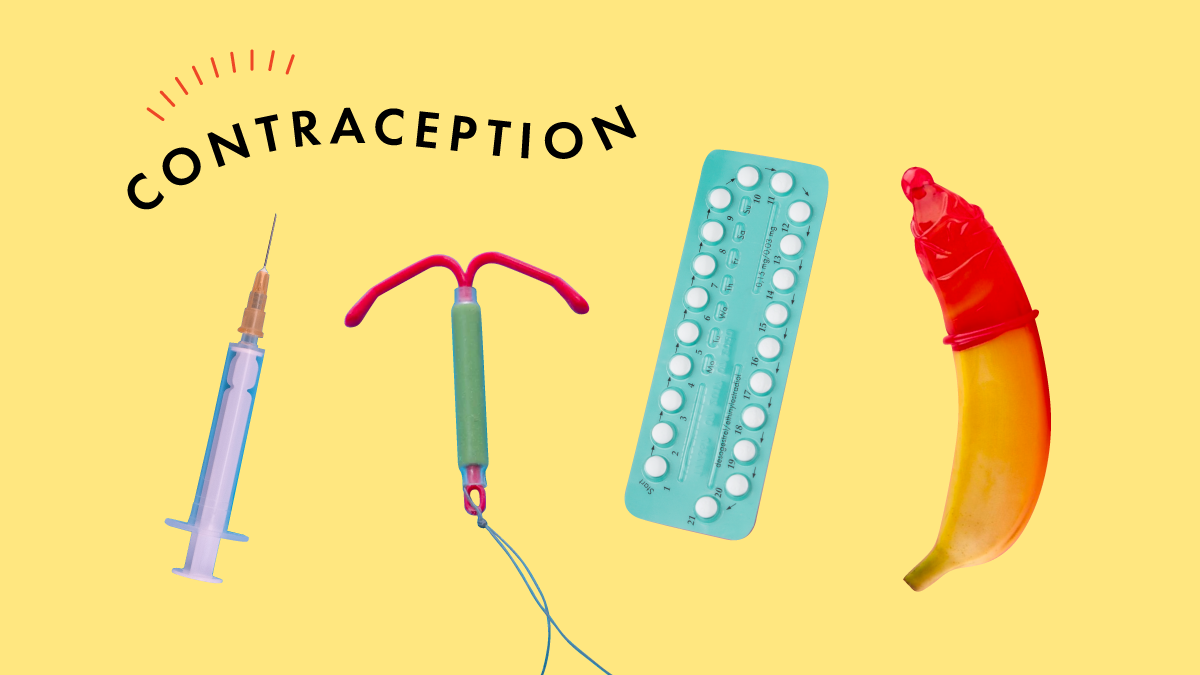
What Are The Different Types Of Contraception?
Including the factors to consider in choosing the right one for you.
READ HERERachelle considers herself a woman of action. If she’s not picking up your call, chances are she’s deep into case digests or chasing a solid sweat session (IYKYK).