Health
Why You Feel Like A Different Person Every Week Of Your Cycle (Because, Well, You Kinda Are)
Published on Aug 18, 2025
You know the drill: One week you're feeling unstoppable, another you're a moody mess—and then there's that mysterious window where you're suddenly a little too extra into your situationship. 👀 Nope, you're not imagining things. Your menstrual cycle has a say in all of it, thanks to the hormonal ebbs and flows happening behind the scenes.
We enlisted the help of Dr. Elsie Pascua, an OB-GYN at St. Luke's Medical Center and a pioneering expert in Robotics Obstetrics and Gynecology, to break down the different phases of your cycle, how they can affect your mood and behavior, and how you can work with your hormones instead of fighting them.
ADVERTISEMENT
Decoding Your Menstrual Cycle and How It Affects Your Mood
ADVERTISEMENT
Phase By Phase: What's actually happening inside your body (and brain)
Your entire menstrual cycle doesn't just serve as a countdown to your next period—it's also basically a 28-ish day hormonal saga with four acts:
ADVERTISEMENT
When does anxiety and brain fog hit the hardest in our cycle?
The late luteal phase—a.k.a. right before your period—is the most common time for anxiety and brain fog to strike. If you find yourself having a hard time concentrating on tasks or thinking clearly right before your period arrives, it's not the end of the world.
Dr. Pascua recommends being strategic: "Schedule intense tasks or social events during the follicular and ovulatory phases, and allow more rest and self-care in the premenstrual phase." Tracking your cycle can also help you anticipate when your mental energy might dip so you can plan accordingly. (There are a lot of user-friendly period apps you can try!)
ADVERTISEMENT
Is it normal to feel like a completely different person depending on your cycle phase?
Short answer: Yes. Long answer: It's totally normal—don't worry! Hormonal fluctuations throughout the cycle influence your brain chemistry, so changes in mood, energy, and even cognition are normal. However, if these shifts are extreme or disruptive to daily life, they may signal a condition like PMDD or hormonal imbalance, which leads us to the next question...
ADVERTISEMENT
PMS vs. PMDD: What's the big difference?
According to Dr. Pascua, PMS (Premenstrual Syndrome) involves physical and emotional symptoms like bloating, irritability, or mood swings that occur during the luteal phase. PMDD (Premenstrual Dysphoric Disorder), on the other hand, is a more severe, often debilitating form with symptoms like depression, anger, or anxiety that can disrupt your daily life.
If you can feel any symptoms affecting your work, relationships, or mental health, it's important to seek help from medical professionals. Dr. Pascua reminds us that there are effective treatments, such as lifestyle changes and medications, that you can utilize to alleviate your condition.
ADVERTISEMENT
What are the signs it might be more than just PMS?
According to Dr. Pascua, it's worth investigating—and booking an appointment with your doctor!—if you experience the following:
• Severe mood swings or depression tied to specific phases
• Irregular or absent periods
• Excess facial/body hair or acne
• Unexplained weight changes or fatigue
• Difficulty conceiving
These could signal conditions like PCOS, thyroid issues, or PMDD.
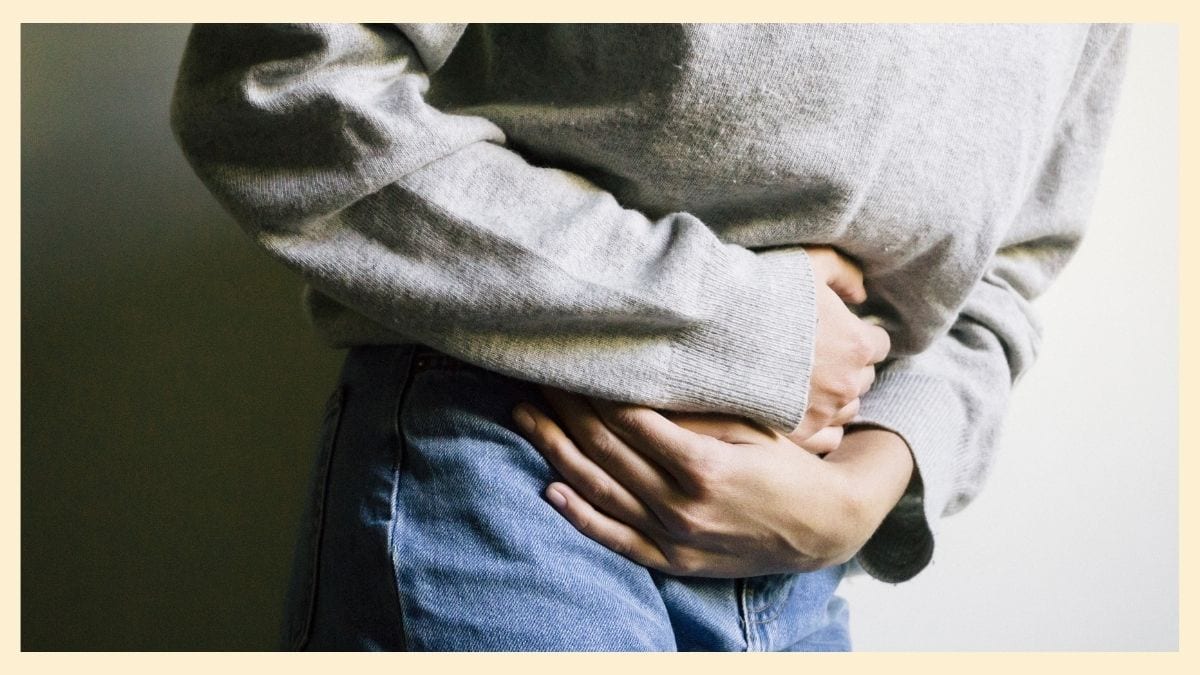
What Are The Health Risks That Can Develop Because Of PCOS?
An important read for anyone with PCOS.
READ HERE ADVERTISEMENT
Lifestyle changes that can help during your menstrual cycle
The truth is, you can't really control the rise and fall of your hormones... but you can set yourself up to ride those waves a little more smoothly. Small, intentional changes to your daily routine—what you eat, how you move, and even the way you unwind—can make a big difference in how you feel throughout the month. Here are small changes Dr. Pascua recommends:
ADVERTISEMENT
Should you take hormonal contraceptives?
Hormonal contraceptives can control hormones, which can reduce mood swings and PMS for some, but make them worse for others. "It really depends on the individual and the method," says Dr. Pascua. If your mood shifts drastically after starting one, talk to your doctor about alternatives. (Editor's note: We highly recommend consulting with your OB-GYN before starting the usage of hormonal contraceptives, as this can greatly affect your body!)
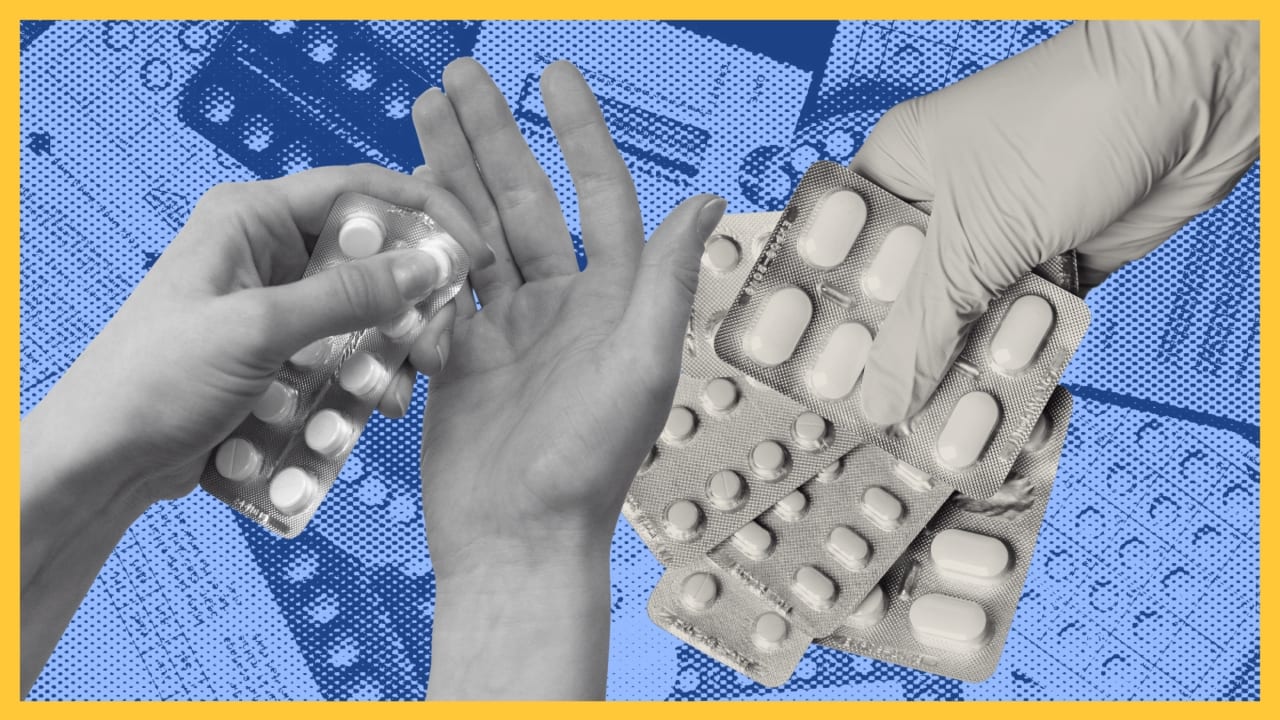
Hormonal vs. Non-Hormonal Birth Control: Which One Is Right for You?
Your body, your timeline, your options.
READ HERECheska is Cosmo's Lifestyle Editor. She loves hoarding blushes, oversharing in drafts, and pretending impulse buys are "for work." Follow her on IG: @cheskasntg