Health

Hormonal vs. Non-Hormonal Birth Control: Which One Is Right for You?

Your body, your timeline, your options.

by Pauline Arnould

Published on Jul 3, 2025

Hormonal and Non-hormonal birth controlILLUSTRATION: Gaby Molina
In the Philippines, conversations around birth control often come with an outdated sense of scandal. As a result, discussions happen in hushed tones, leaving a large swathe of the population suffering from lack of clarity, agency, and access. So, let's talk about.

Not only do you have the right to decide if and when you want to have children—you also have the right to decide how to care for your body and plan for your future. In short: because there are lots of different types of birth control out there, you will want to choose the one that fits into your lifestyle and responds well to your body's needs. But where do you start?

It's always best to get the advice of a medical professional. But to help you prepare for that consultation, or help you consider your options afterwards, this guide will break down the two major categories of birth control: hormonal and non-hormonal. Looking at the pros and cons, you'll be more informed and empowered to make a decision that is all your own.
ADVERTISEMENT
First things first:

What's the difference?

Hormonal birth control uses synthetic versions of the naturally occurring hormones estrogen and progesterone to prevent pregnancy. Hormonal contraceptives stop ovulation, thin the uterine lining, or thicken cervical mucus to block sperm from reaching an egg.

Non-hormonal birth control, on the other hand, prevents pregnancy without altering your hormones, either by impeding sperm function and movement or using natural tracking methods to figure out your fertility.
ADVERTISEMENT

Types of Hormonal Birth Control

There are many different brands of hormonal birth control, but in the end, you'll have to choose:
1) whether you want a combination of two hormones, or just one. And 2) whether you prefer a low-maintenance or daily maintenance approach. Here are the main types of hormonal birth control available in the Philippines.
ADVERTISEMENT
1.

Combination Pill

Different bands use different ratios in combining them, but as a rule, these pills have both estrogen and progesterone. They work by stopping the ovaries from releasing an egg. They also slow the egg's movement through the fallopian tubes, make cervical mucus thicker, and thin the uterine lining—ultimately helping to prevent the sperm from fertilizing an egg. These pills have to be taken at the same time, every day. When taken correctly, it is 99% effective.
ADVERTISEMENT
2.

Progestin-only pill

Also known as the mini pill, this is a good option for individuals who cannot take estrogen. For instance, estrogen is said to reduce breast milk, so breastfeeding mothers who are not ready to wean may be more suited for the mini pill. This pill must be taken at the same time, every day. Missing a pill by just a couple of hours can drastically reduce its effectiveness and disrupt your menstrual cycle.
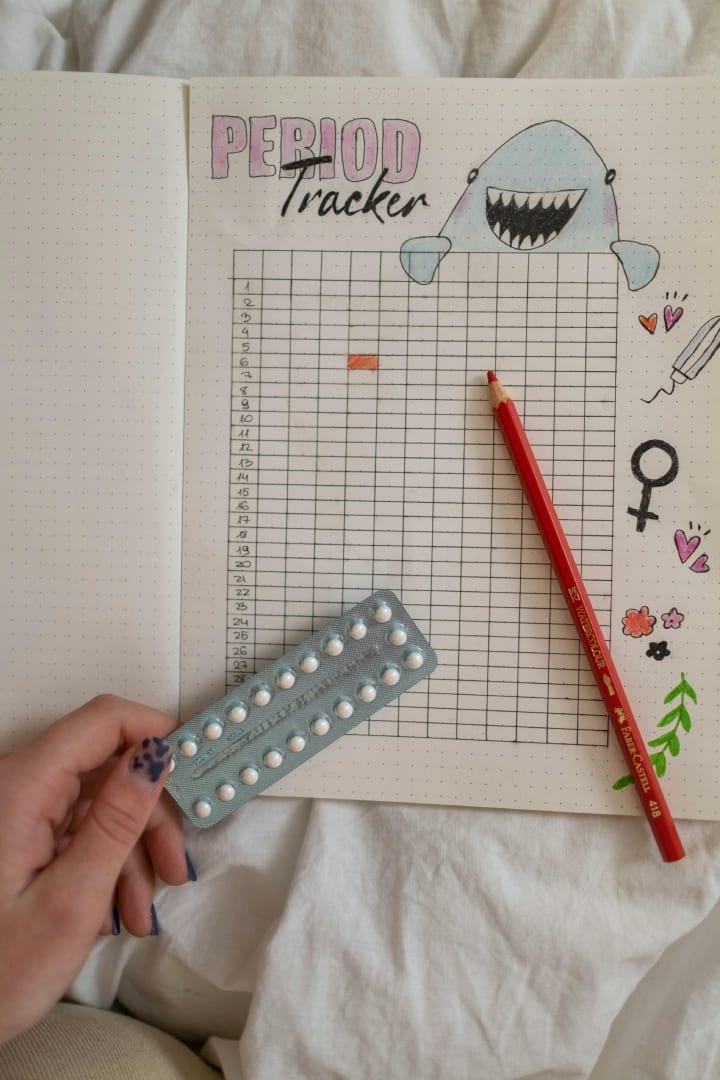
hormonal birth control and period tracking
Click to Enlarge
Photo: cottonbro studio via PEXELS
ADVERTISEMENT
3.

Injectable

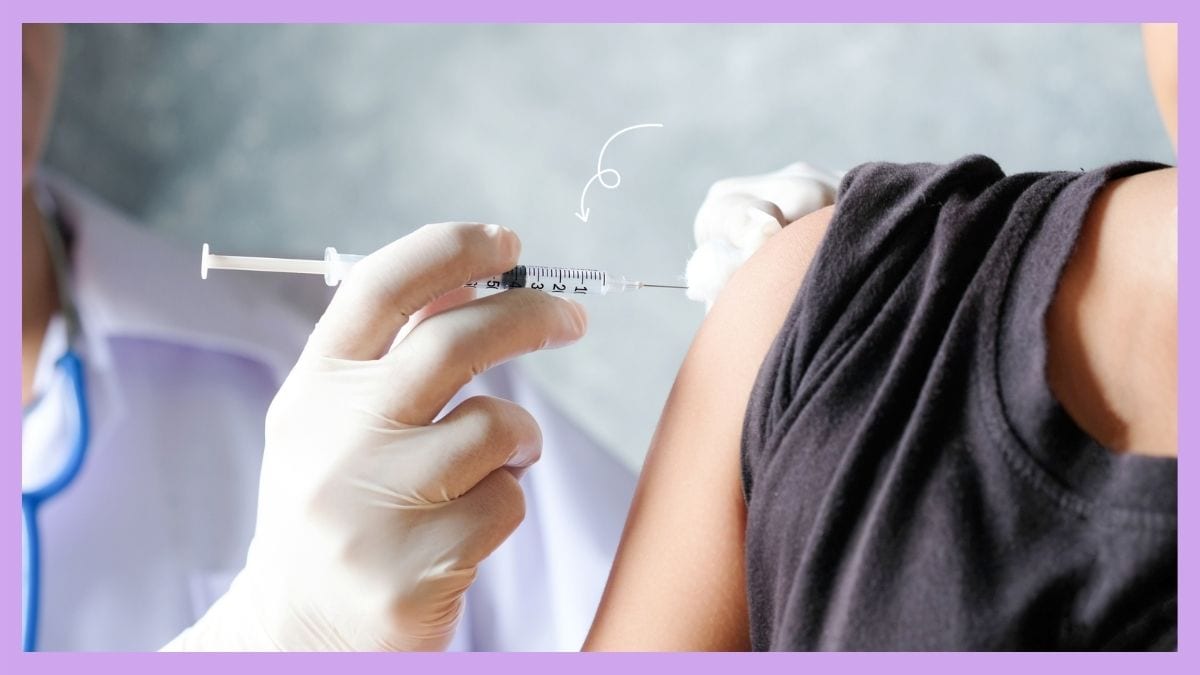
For those who can't or don't want to commit to a daily pill, the progestin intramuscular injectable allows for a high level of contraceptive protection (94%) that stretches for one month or three months, depending on the type. You will need to visit a healthcare provider to get injected.
ADVERTISEMENT
4.

Implant

Small, flexible rods with a long-lasting hormonal contraceptive solution are implanted under your skin by a healthcare professional. Slowly releasing a hormone (usually progestin) into your bloodstream over a period of typically three years, the hormone thickens cervical mucus to block sperm. This low-maintenance option requires a higher commitment up front due to its cost and surgical approach.
ADVERTISEMENT
5.

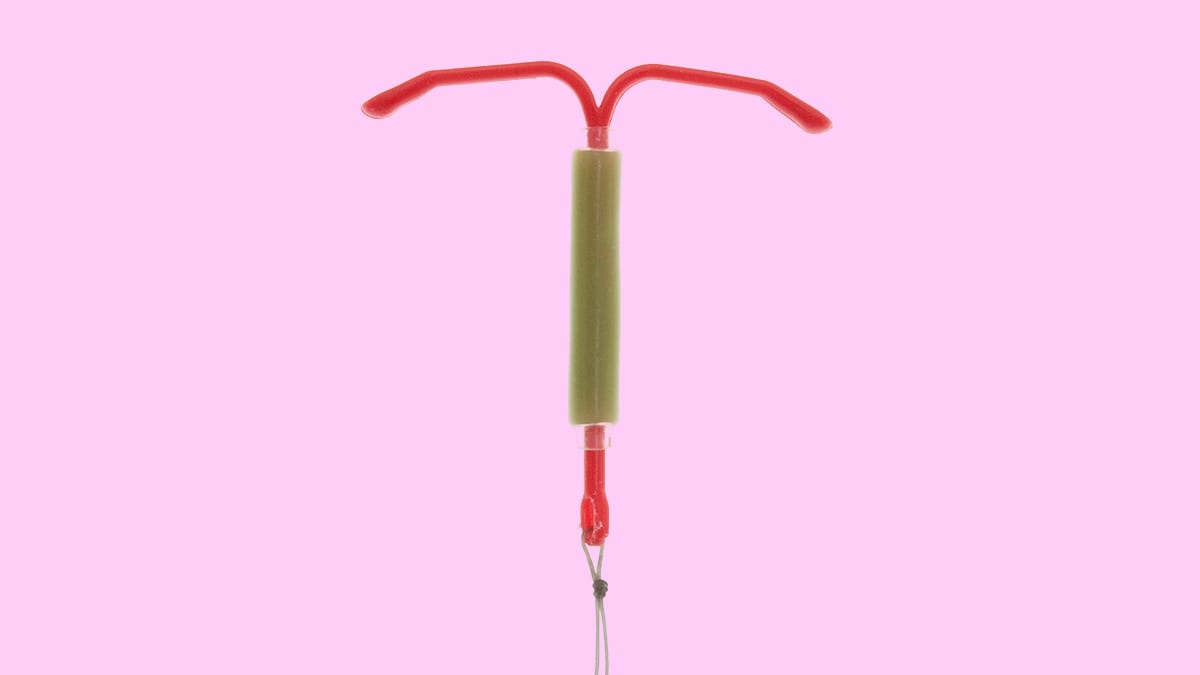
Hormonal IUD

This T-shaped plastic frame is inserted into the uterus and releases progestin. It doesn't protect from STIs, but it can stay in place for eight years. You don't have to commit to the full eight years either. Those who want to get pregnant can remove it and conceive soon after.

Birth Control: What You Need To Know About IUDs

Thinking about getting an intrauterine device, or IUD?

READ MORE
ADVERTISEMENT

Some Pros of Hormonal Birth Control

  • Highly effective when used correctly (up to 99%)
  • Convenient options, from daily pills to implants that last years
  • Can regulate your period, reduce cramps, and help with acne or PMS/PMDD
  • May lighten or eliminate your period altogether
  • ADVERTISEMENT

    Some Cons of Hormonal Birth Control

  • Side effects like spotting, breast tenderness, or mood swings
  • Possible health risks for some (e.g., smokers over 35, history of stroke)
  • Can take time to become effective and delay fertility after stopping
  • No protection from STIs
  • Can be expensive
  • ADVERTISEMENT

    Types of Non-Hormonal Birth Control

    For those who would rather go the non-hormonal route for whatever reason —maybe they're experiencing side effects from the hormonal birth control, maybe they need immediate protection, maybe they are advised by their doctor against it—there are many non-hormonal options ranging from easy-to-use to surgically installed. Here are a few non-hormonal birth control options available in the Philippines.
    ADVERTISEMENT
    1.

    Barrier

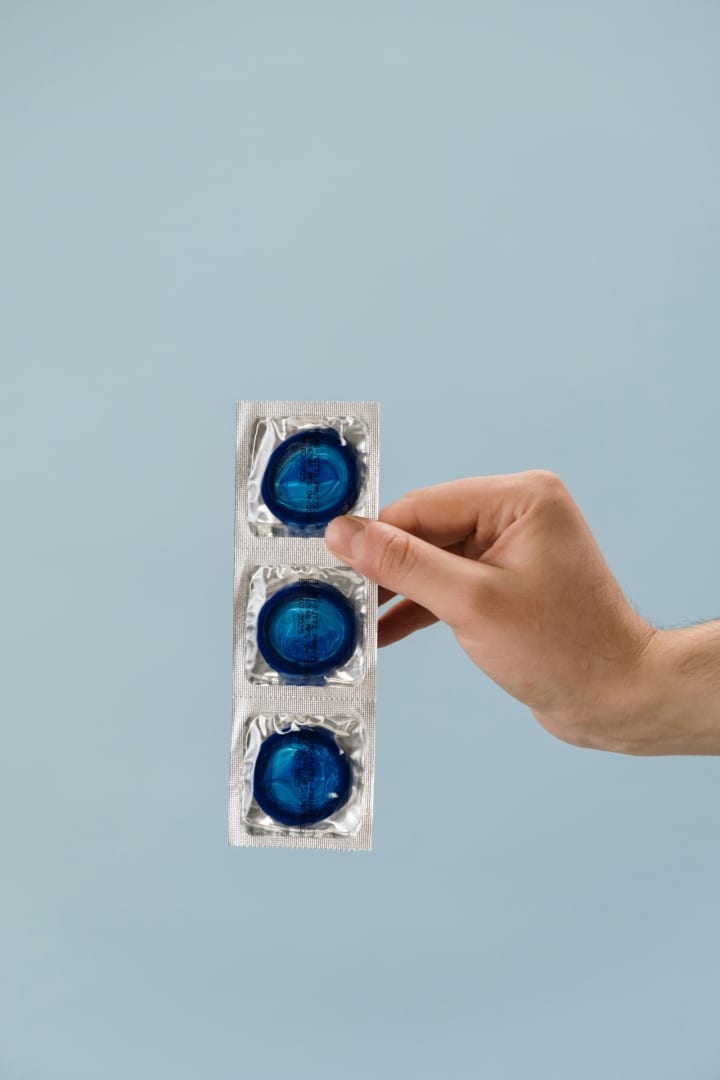
    The easiest barrier to access is a condom—many going for less than 100 pesos for a pack for three at any convenience store, with some freely available at organizations like LoveYourself. Condoms are particularly great because they offer immediate protection—from both pregnancy and STIs. Other barriers include the diaphragm, female condom, contraceptive sponge, and dental dam—but they are not as easily accessible in the Philippines as the male condom.
    condom
    Click to Enlarge
    Photo: cottonbro studio via PEXELS
    ADVERTISEMENT
    2.

    Copper IUD

    Although similar in shape and installation, the copper IUD differs from the hormonal IUD in that it does not contain any hormones. Instead, the copper material interferes with sperm viability, making it difficult for them to reach and fertilize an egg. It can stay in the uterus up to 10 years.
    ADVERTISEMENT
    3.

    Natural Tracking Method

    These are ways to observe subtle changes in your body in order to track your menstrual cycle, including when you are ovulating (read: most susceptible to getting pregnant). These include: the rhythm method, where you use a calendar to track your fertile days and abstain from unprotected intercourse during that window; the basal body temperature method, where you monitor your temperature each morning to identify any peaks in temperature that indicate fertility; and the cervical mucus method, where you track the consistency and appearance of your cervical mucus (egg-white discharge usually indicates ovulation). Note that these methods carry a high risk of error and are therefore best paired with a condom.
    ADVERTISEMENT
    4.

    Tubal Ligation/Vasectomy

    These surgical procedures are permanent approaches, performed by trained professionals in a hospital setting under anesthesia. Ligation blocks or cuts fallopian tubes to prevent eggs from meeting sperm, while vasectomies cut or seal the vas deferens to prevent sperm from being ejaculated during sexual activity.
    ADVERTISEMENT

    Pros of Non-Hormonal Birth Control

  • Hormone-free, so no hormonal side effects
  • On-demand use (for the most part)—no need to take daily or insert long-term devices
  • Immediate effectivity
  • Doesn't interfere with your natural menstrual cycle
  • Some methods (condoms) help prevent STIs
  • Accessible options like condoms are widely available
  • ADVERTISEMENT

    Cons of Non-Hormonal Birth Control

  • May require more effort and consistency (e.g., tracking cycles, using condoms correctly every time)
  • Some methods (e.g., IUD insertion, tubal ligation) can be costly or hard to access 
  • Some methods (natural tracking method) have a high risk of error
  • ADVERTISEMENT

    What's Accessible In The Philippines?

    Birth control should be available at government hospitals, health centers, and pharmacies. Condoms and birth control pills are the most widely available methods. While, IUDs, implants, and sterilization procedures may only be accessible in hospitals or larger clinics. However, access still depends on where you live, whether the local pharmacy will require a prescription, and whether you approach a medical establishment that is bound by religious obligations.
    ADVERTISEMENT

    Preparing for Your Consultation

    In order to get the kind of birth control you need, regardless of obstacles, you must know your rights and advocate for yourself. Here are some questions to ask your healthcare professional to help you be prepared:

  • What method fits my health history and lifestyle best?
  • How soon will it be effective?
  • What side effects should I expect, and how can I manage them?
  • Is there a cost-effective or free option I can access?
  • How will this method affect my period, skin, mood, and long-term fertility?

  • If your healthcare professional is pressuring you to use a method you're not comfortable with, to forego birth control, or to rush through your consultation without hearing you out—seek a second opinion! You deserve a provider who listens and respects your decisions.
    ADVERTISEMENT

    The Bottom Line

    There is no "best" birth control, only what’s best for you.

    You might prefer hormonal birth control to manage painful periods or hormonal acne. You might opt for non-hormonal methods to avoid side-effects or lower costs. You might try one method and later decide to switch. That’s normal. That’s valid. That's your right.

    In a country where reproductive health is still misunderstood and under-discussed, taking control of your body is a radical, powerful act. So talk to your doctor. Research your options. Talk to other women. And most importantly, listen to your body. It deserves care, autonomy, and options.

    I Get A Birth Control Shot Every Three Months—Here's What It's Like

    How does it work exactly?

    READ MORE
    Pauline Arnould

    Pauline Lacanilao Arnould is a contributing writer with over 100 bylines across the Philippines’ top print and digital publications. Her work spans culture, travel, relationships, fashion, art, books, and more. A former writing and literature professor at Ateneo de Manila University and the University of the Philippines, she blends academic curiosity with accessible storytelling—striving for nuance, depth, and cultural sensitivity in every piece. Beyond articles, she publishes poetry, creative nonfiction, zines, and handcrafted children's books. You can follow her on Instagram @pauline_arnould.

    © 2026 Cosmo.ph. All Rights Reserved.