ICYMI, PCOS Has Been Officially Renamed To Polyendocrine Metabolic Ovarian Syndrome

Published on May 14, 2026
A major change just happened in women's health: Polycystic Ovary Syndrome (PCOS) is now officially called Polyendocrine Metabolic Ovarian Syndrome (PMOS).
The announcement was made on May 12 during the European Congress of Endocrinology in Prague, one of the world's leading medical conferences focused on hormones and endocrine health. And after 14 years, this official finding was later published in The Lancet, a globally respected medical journal, marking the international effort led by researchers, healthcare professionals, and patient advocacy groups.
The initiative was led by the director of Monash Centre for Health Research and Implementation and an endocrinologist at Monash Health, Professor Helena Teede, alongside organizations and experts around the world. Thousands of patients also contributed to the discussion, sharing their own experiences.
Why Was PCOS Renamed To PMOS?
Just to be clear, this doesn't mean it's a brand-new condition—but the rename reflects a clearer and more updated medical understanding of it. Experts said the old term "PCOS" had become misleading over the years because many patients don't actually have ovarian cysts.
ICYDK, a cyst is a fluid-filled sac that can develop in different parts of the body, including the ovaries. But in PCOS, the small "cysts" seen on ultrasounds are usually immature egg follicles that didn't fully develop or release during ovulation—not actual ovarian cysts. Some patients diagnosed with PCOS don't even have these follicles at all, which is why experts felt the word "polycystic" no longer accurately represented the condition.
The old name also focused heavily on the ovaries, when the condition actually affects much more than reproductive health. PMOS is linked to hormone imbalances, insulin resistance, metabolism, irregular periods, acne, excess hair growth, fertility concerns, weight changes, anxiety, and depression. Because of that, many experts felt the condition needed a name that reflected the whole-body impact it has on patients—not just the ovaries.
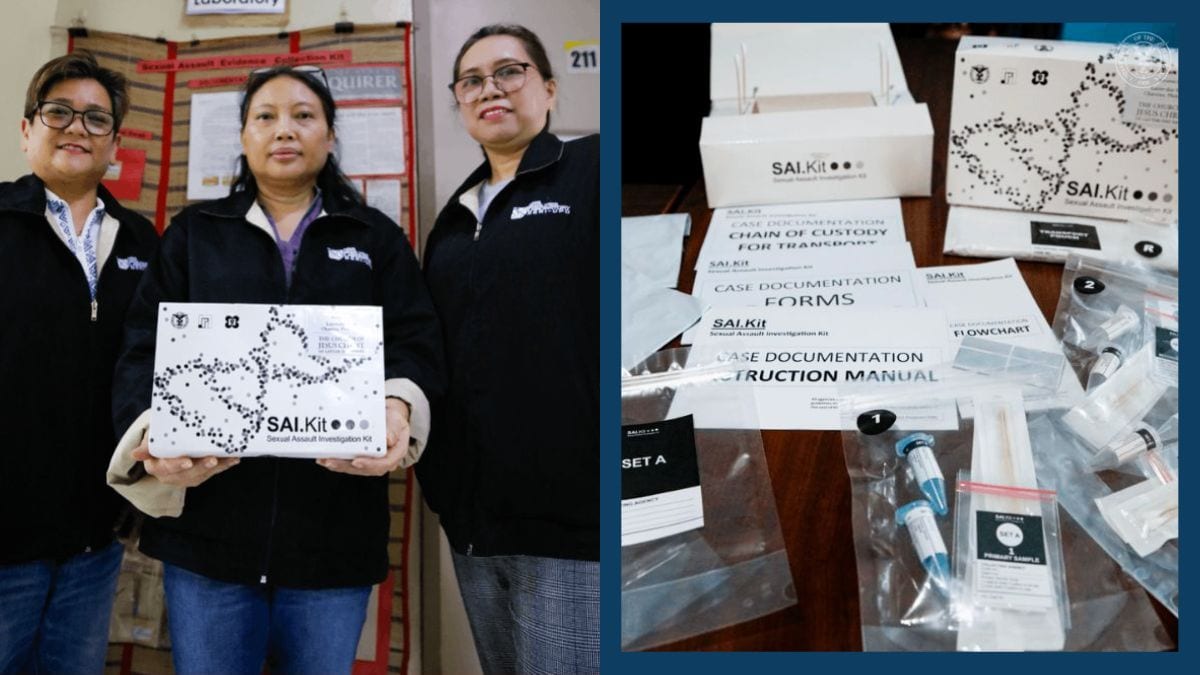
After 20 Years, This Kit Could Finally Change How We Prove Sexual Assault In Court
It could help more survivors come forward.
READ MOREAlthough it may seem like a small shift—just one letter changed in the acronym—it actually represents a much bigger conversation about women's health.
The new term, Polyendocrine Metabolic Ovarian Syndrome, highlights that the condition involves multiple hormone systems in the body. "Polyendocrine" refers to the different hormones affected, while "metabolic" acknowledges its strong connection to insulin resistance, diabetes risk, cholesterol problems, and cardiovascular health.
This reflects the everyday reality that many women with the condition experience. Beyond irregular periods, PMOS is often linked to weight gain, difficulty losing weight, fatigue, acne, hair thinning, excess facial or body hair, and energy crashes—all of which are connected to how the body processes hormones and insulin.
Doctors and researchers hope the rename will help improve diagnosis, reduce misinformation, and encourage more holistic treatment instead of focusing only on reproductive symptoms.
That said, experts clarified that the diagnostic criteria and symptoms remain the same. People with PMOS may still experience the same symptoms we're already familiar with in PCOS. The rename reflects a more updated and accurate understanding of the condition after years of research.
The transition to using PMOS globally is expected to happen gradually over the next few years as hospitals, medical schools, healthcare systems, and awareness campaigns update their terminology.

If Your PMS Feels Extreme, It Could Be Premenstrual Dysmorphic Disorder—Here's How To Tell, According To Experts
You're not just being dramatic!
ALSO READTrixia Policarpio is the Editorial Assistant of Cosmopolitan Philippines, a matcha lover who swears by café window seats as her perfect writing spot and collects little keepsakes for her junk journals.