5 Early Signs You Might Have A TMJ Dysfunction—And How To Relieve The Pain, According To A Dentist

Published on Jan 26, 2026
Jaw tension is one of those things many of us have learned to live with. We clench our teeth during stressful workdays, power through headaches, and brush off that occasional clicking sound near our ears as nothing serious. But when jaw discomfort becomes a regular part of your routine, it might be your body trying to tell you something more.
Long-cited data from the Philippine Association of Functional Jaw Orthopedics-TMJ estimates that around four million Filipinos experience severe jaw pain that can extend to other parts of the body, including the neck, shoulders, and back. Despite how common it is, only 10-20% of the population is actually aware that they may be dealing with a temporomandibular joint (TMJ) dysfunction.
What is a TMJ dysfunction?
TMJ refers to the temporomandibular joint, the hinge that connects the lower jaw to the skull. You have two of these joints, one on each side of your face, located just in front of your ears. Together, they allow your jaw to move up and down, side to side, and forward and back—basically making it possible for you to chew, talk, yawn, and laugh without thinking twice about it.
When the jaw joint, the surrounding muscles, or the small cushioning disc within the joint aren't working in sync, it can lead to what's known as temporomandibular joint dysfunction, or medically referred to as TMD. Most people simply refer to this as TMJ, even though the term technically describes the joint itself, not the disorder.
The exact cause of TMJ dysfunction is often difficult to pinpoint with symptoms overlapping with everyday stress-related tension. Because of this, TMJ issues can go undiagnosed for years.
We asked Dr. Esther Casipit-Tan, a prosthodontist and the dental director of Elevate Dental, to break down the early symptoms of a TMJ dysfunction and how to ease the tension before it takes over your daily life.
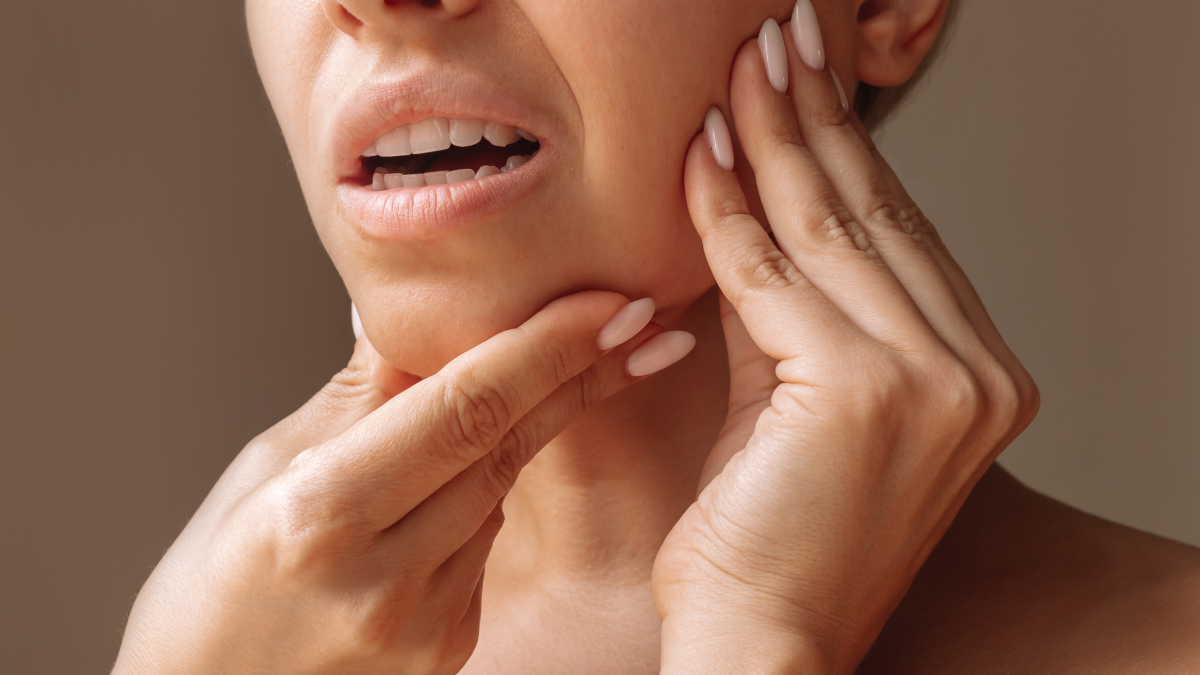
What are the early signs of a TMJ Dysfunction?
A popping or clicking sound when moving your jaw
That little click or pop you sometimes hear? It usually happens when the small cartilage disc inside your jaw joint shifts slightly out of place and snaps back into position. It's quite common, and most people hear it from time to time—but if it comes with pain or your jaw locks up, it's a sign to get it checked.
Pain or tenderness in one or both TMJs
"Pain in the jaw can come from inflammation, muscle strain, teeth clenching, grinding, or even a slight misalignment," Dr. Esther says. The joint may be tiny, but it's always busy, so even minor stress can lead to noticeable discomfort.
Limited jaw movement or stiffness
Some people notice their jaw feels stiff or "stuck," especially in the morning or when trying to open wide. According to Dr. Esther, "Stiffness usually happens when the joint or surrounding muscles are inflamed, tight, or irritated." It starts subtly, but over time it can affect the simple actions you barely think about, like eating, talking, or even smiling without tension.

Difficulty chewing or speaking
When the jaw joint or muscles are sore, even everyday movements like chewing or talking can feel tiring or uncomfortable. This is usually due to muscle fatigue or joint instability. In other words: your body is giving you a polite nudge to slow down.
Pain in the temples, frequent headaches, or migraine attacks
Your jaw muscles don't just stop at the TMJ—they're closely linked to your temples and head. "When these muscles are overworked, from clenching or grinding, they can trigger tension headaches or migraine-like pain," Dr. Esther explains.
Pay attention to when these headaches happen: are they worse after long calls, intense focus, or late-night marathons? These little patterns can clue you in that your jaw is working overtime and could be the hidden culprit behind recurring head pain.
What are some effective ways to relieve TMJ pain?
Sometimes, the symptoms of a TMJ dysfunction can go away on their own without medical treatment. If you notice some of these early signs, there are practical steps you can take at home to ease discomfort and keep your jaw from overworking while you figure out your next move.
Dr. Esther recommends to try the following:
Avoid wide yawns, chewing gum, or hard and chewy foods whenever possible.
Apply a warm compress to relax tight muscles and improve blood flow.
Do some gentle stretches and massages to relieve tension.
Switch to a soft diet of soups, fish, rice, eggs, and soft fruits during painful periods.
Wear a mouth guard at night to prevent direct tooth-to-tooth contact.
Manage stress with relaxing activities like meditation, deep breaths, or a quick playlist break.

When should someone seek professional care for TMJ pain?
Not all jaw pain is the same. While mild TMJ symptoms can be managed at home, there are times when it's important to call in the pros. Dr. Esther advises seeing a dentist or TMJ specialist when discomfort persists for more than two weeks or starts interfering with eating, speaking, or sleeping. Changes in your bite or jaw asymmetry are also signs it's time to get checked.
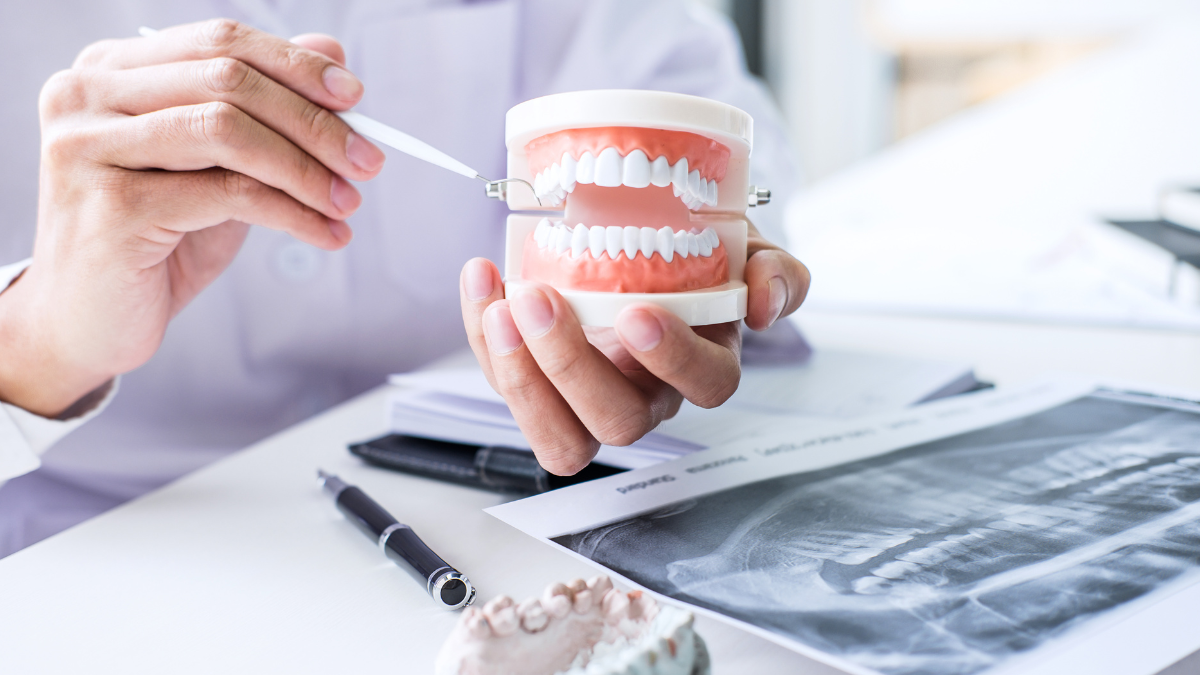
A common approach often starts with a splint, a custom-made appliance that reduces pressure on the TMJ by repositioning the jaw into a more relaxed and balanced position.
Dentists also perform a bite analysis to see if your teeth meet evenly, spot imbalances that strain one side of the jaw, and detect misalignments that force your jaw into unnatural positions.
"An imbalanced bite makes your jaw work harder than it should," Dr. Esther explains. "Bite analysis helps us find the root cause, so splints, exercises, or other treatments are customized and truly effective."
Early detection and treatment are key to keeping TMJ pain from becoming chronic and requiring invasive surgical procedures. With timely care, you can manage symptoms effectively and get back to your day-to-day without nagging jaw tension holding you back.

We Asked A Dentist About Veneers, Here's What You Need To Know
The secret to instant pearly whites?
READ MOREJustina is the Editorial Assistant of Cosmopolitan Philippines. She's a Southie who's always collecting stickers, cafe receipts, and proof she’s living her best life (in the name of content, of course).