Jessica De Mesa-Lim Is The Women Of Influence 2026 Wellness Guru
She turns checkups into holistic care women deserve.
Published on Mar 10, 2026
After a consultation at Kindred's first clinic, a patient told Jessica De Mesa-Lim that she had never truly felt heard by a doctor before. It wasn't the first time she'd heard something like that, but it exposed a reality she already knew too well: too many Filipinas navigate a healthcare system where their questions go unanswered and the conversations that matter most are left unsaid.
Early in her career as a nurse, Jessica had witnessed those gaps firsthand: the complexity of navigating different services, the lack of support for sensitive issues, and the frustration women felt when their concerns were brushed aside.
Those experiences reinforced why Jessica had set out to create a different kind of healthcare experience.
As founder and CEO of Kindred, she's built clinics and a digital platform designed to offer more than appointments and prescriptions. She calls them "sanctuaries" that bring together reproductive, preventive, and mental health services in a stigma-free, judgment-free environment. Women are seen, heard, and empowered to take control of their wellness at every stage of life.
She emphasizes that we're all different, our bodies are different, and every woman's health journey should be tailored to her unique needs.
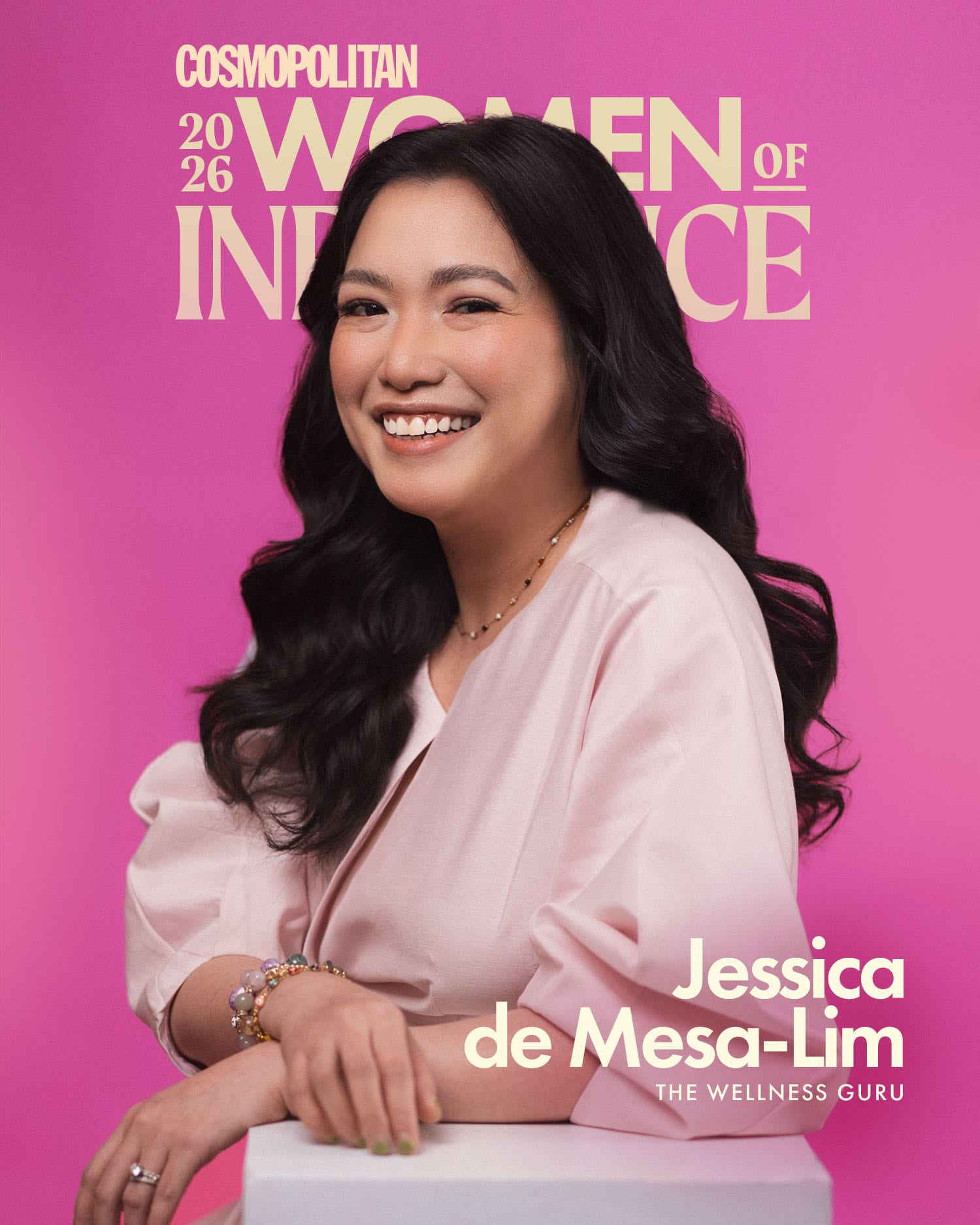
Topics often sidelined in everyday talk—like contraception, mental health, and preventive care—are at the heart of Jessica's work at Kindred, where evidence-based care is delivered by progressive doctors who listen and guide.
"It's like a love letter to our younger selves," she says of her mission, providing the support and knowledge she wishes had been available when she was starting her own wellness journey.
Jessica is guided by the belief that wellness should be accessible, understandable, and empowering for every woman, helping Filipinas take charge of their health and confidently navigate their bodies and choices on their own terms.
Why is creating a safe, stigma-free environment so crucial in women's healthcare?
Jessica: Our bodies are already so complex, and navigating different medical and healthcare services can be difficult in general. For women, it can feel even more complicated because our health needs change across different life stages. What we've been trying to do is make it easy for them to understand through education and health awareness.
Target customer namin are the younger generation, and it's important for them to get healthcare almost on demand. Part of the safe space that we're building is convenience and making sure they understand what the different options are.
We're too shy to talk about those. So we wanted to create a platform where it's easy to talk about that. The key to that are progressive doctors and nurses.
At Kindred, we build this network of doctors who not only treat the medical concern but also empower [women] to keep taking care of themselves and take charge of it, because you can be in control of it, too. It's hard, but I think we're doing the right first steps.
Why is it important to treat women's health as interconnected rather than separate issues like reproductive, mental, or chronic care?
Jessica: We work with around 80 women's health specialists and I've learned so much from them. One thing they often emphasize is the mind-body connection. For example, take polycystic ovarian syndrome or PCOS. There's no straightforward cure—you can only manage it.
In a traditional setting, [doctors] just prescribe you medicine and that's it. But they fail to understand that it takes a toll on your mental and emotional health as well. When we first started Kindred, we didn't have mental health services, but we quickly learned and onboarded more psychologists and psychiatrists.
Many [of our] patients deal with chronic conditions, life transitions, anxiety, even relationship concerns. Sometimes, they don't even have a psychiatric diagnosis or a pathologic condition; they're healthy but keep coming back to make sure they can prevent serious mental health challenges. What we've observed—and there's a lot of evidence-based kinds of studies around this approach—is that when you feel mentally fit, it actually manifests physically, too.
How are Gen Z Filipinas approaching their health differently?
Jessica: They're definitely more proactive and more demanding—and it's not a negative thing at all. It's actually great because older generations were quite different. They only go to the doctor when they already feel something wrong. But I think the pandemic helped shift that mindset. Even among millennials and older millennials like me, we've become more proactive about our health. I wasn't like that in my 20s.
But it's so nice to see that younger women today are much more intentional about taking care of themselves. They know what they want. That's why we want Kindred to be a platform that arms them with the right information and equips them to actually take better care of themselves.
What are the most common topics Filipinas struggle to talk about—and how do we begin normalizing those conversations?
Jessica: Some patients have shared that they felt judged by previous doctors outside of Kindred. For example, a younger patient asked about contraceptives or how to protect herself from infections, since there are many options apart from oral pills. But the doctor's advice was more of "abstain" or "don't have sex."
We're still a conservative society, and many of us grew up in environments where these topics weren't openly discussed. Because of that, it's hard to find the right doctor.
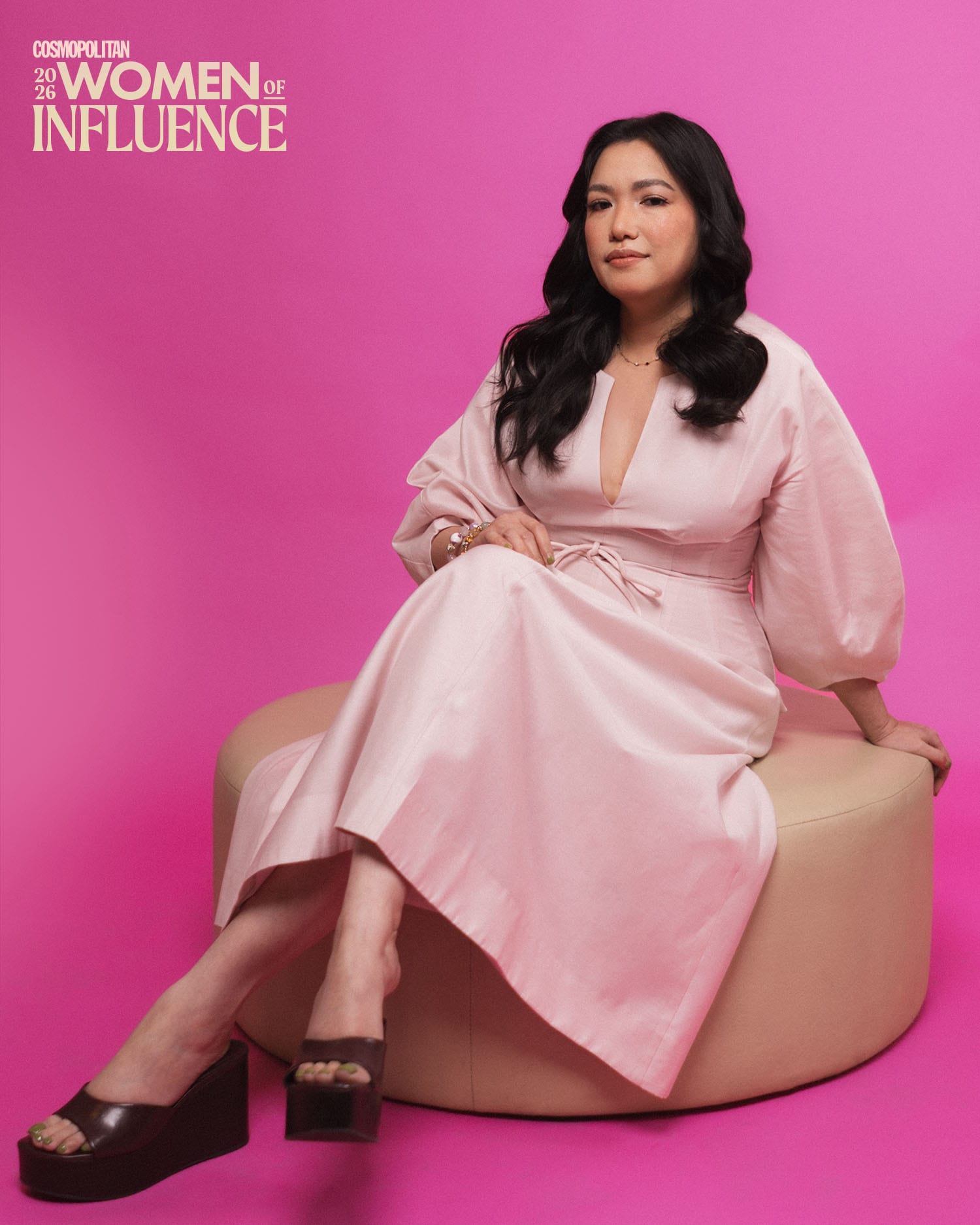
What our doctors at Kindred usually tell patients is that if you're not satisfied with the care you're receiving, it's totally okay to explore other options and switch providers. When the approach is evidence-based but also empathetic, women feel more comfortable opening up about their health concerns. The more comfortable they are, the more they're able to understand their health and get care that's actually tailored to them.
Nakakatuwa kasi ang daming women-led businesses and platforms now that [women] actually have options to choose from, unlike before when I was growing up.
As this year's Wellness Guru, how do you define true wellness for women today?
Jessica: True wellness is just knowing where you stand. It's not about pressuring yourself to be "on top of your game" or feeling like you need to be healthy and well all the time. Even my team has learned that it's okay to have off days when you're not feeling well.
The important thing is to notice the signs and seek professional help when you're ready, instead of ignoring them. Comparing yourself to others or chasing an ideal status only adds stress.
Our doctors, psychiatrists, and psychologists always tell our patients that wellness should happen at your own pace. Whatever it is that you're going through, whether it's managing PCOS, nutrition, or weight, gawin mo ang plan na ma-fo-follow mo.
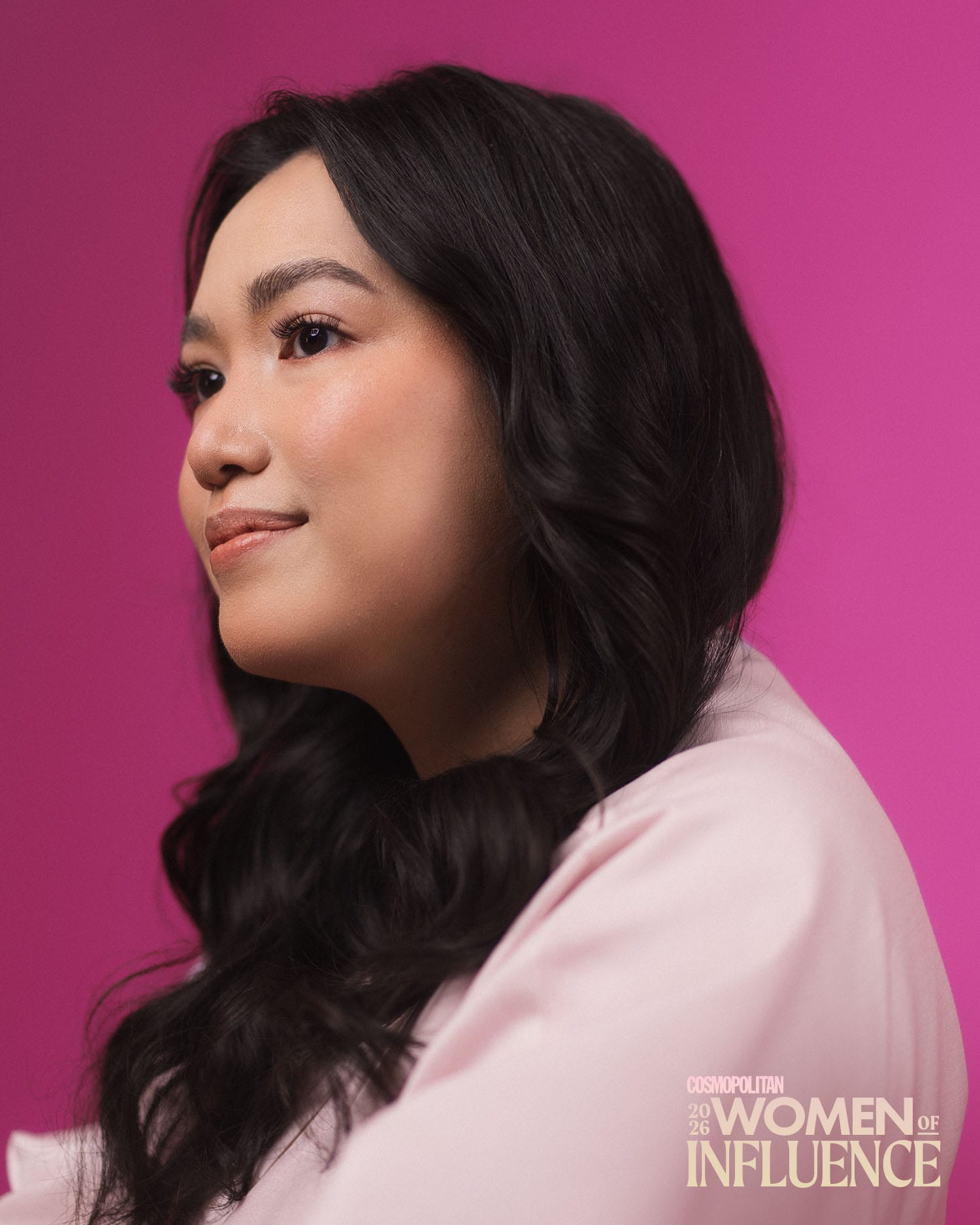
What does this year's Cosmo Women Of Influence theme, To Each Her Own, mean to you?
Jessica: It's really about giving women the freedom to define success, health, and happiness on their own terms—without guilt or comparison. Ang benchmark mo dapat yung sarili mo. We're all different, and it's super important to give yourself permission to listen to your body, kung anong season ka sa life mo, kung ano yung values and paano ka nag-evolve. Instead of following a template that wasn't designed for you, you create your own.
Ganun din yung approach ng Kindred—it's not transactional or one-size-fits-all. Just because someone else with PCOS or mental health concerns follows a certain path doesn't mean it's right for you. It's important you build your own template. Iba yung needs mo ngayon than from three or five years ago. Your approach should evolve with you.

Executive Editor: Ida Aldana
Art Director: Ica Del Mundo
Photographer: Lem Atienza, assisted by Yani Espiel, Yuan David, Nicole Evans, and Rafi Lopez
Hair and Makeup: Team Muriel Vega Perez
Interviewer: Cheska Santiago
Story: Justina Torres
Producer: Alyana Olivar
Video: Cherrie Julian and Jino Del Mundo, assisted by Alfred Locsin & George Tuliao
Social Media: Aina Lizarondo, assisted by Margaux Bataclan
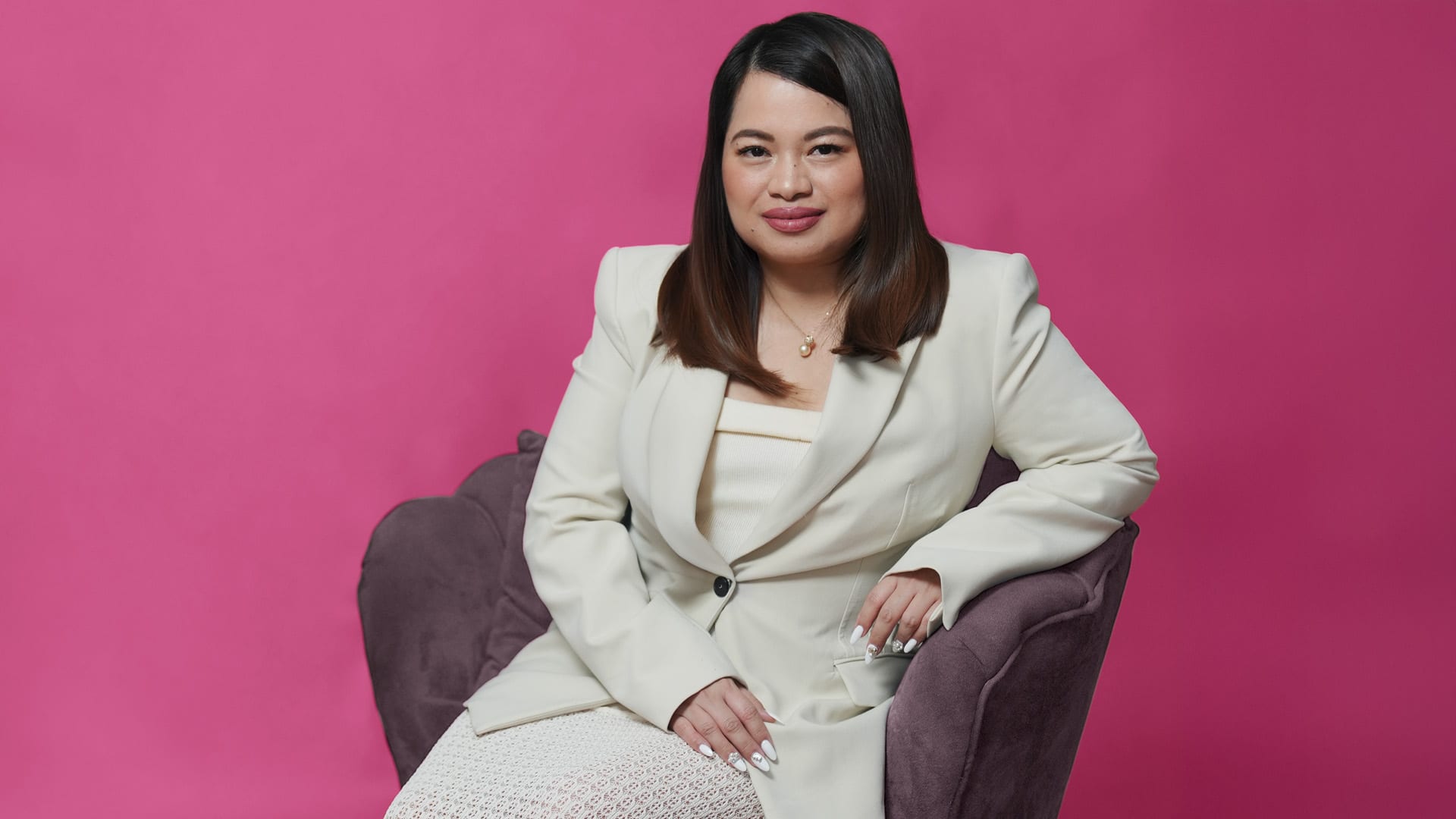
New Lounge CEO Rachelle Bravo Is Our Women Of Influence Glow Getter
Beauty became her calling for community.
READ MOREJustina is the Editorial Assistant of Cosmopolitan Philippines. She's a Southie who's always collecting stickers, cafe receipts, and proof she’s living her best life (in the name of content, of course).