What Is Skin Longevity, The Age-Defying, Future-Proofing Skincare Trend?
by Sabina Wizemann
Published on May 19, 2026
If you're a beauty fanatic, you may have noticed the skincare industry's latest attempts to rebrand. In the search for a fresh way to capture consumers' attention, the term 'longevity' has emerged as the newest buzzword—firmly nudging 'anti-ageing' aside. But how is this new trend different to 'anti-ageing' skincare?
For nearly a decade, we've seen the beauty industry's ongoing efforts to retire 'anti-ageing' language in skincare, largely because of its negative connotation that ageing is something to be fixed. The intent is clear, but it raises the question of whether 'longevity' will have any more staying power than past replacements like 'pro-ageing' or 'age-defying,' both of which seem to have quietly faded.
Longevity vs. Anti-Ageing: What Do They Really Mean?
Skincare has never been a particularly exciting category to test, mainly because results take time, and success depends on consistency, patience, and, above all, sun protection.
Yet now, 'anti-ageing' is increasingly framed as offering quick fixes and surface-level corrections rather than supporting long-term skin health. That’s news to us. We wouldn't consider wrinkle reduction, fading hyperpigmentation, or improving firmness as quick fixes or harmful to skin health.
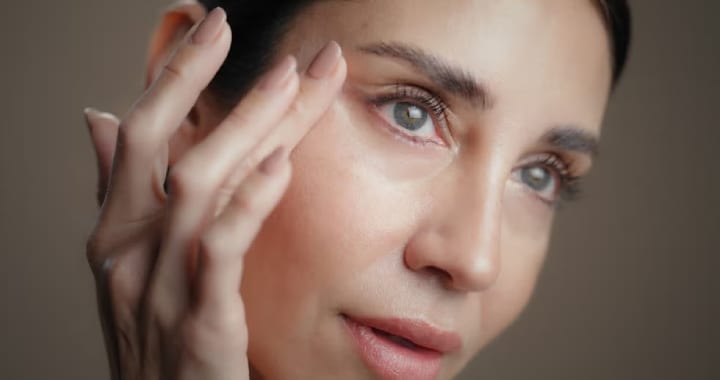
Enter Longevity
Driven by the broader wellness movement (supplements, biohacking, and cellular health), longevity in beauty reframes familiar goals of slower decline and improving skin resiliency as part of a longer-term vision of skin optimization. It sounds gentler and more scientific, but also implies that there's a right way to age. With concepts of bio-regeneration and molecular-level changes, this new term is doubling down on science already introduced under the anti-ageing umbrella.
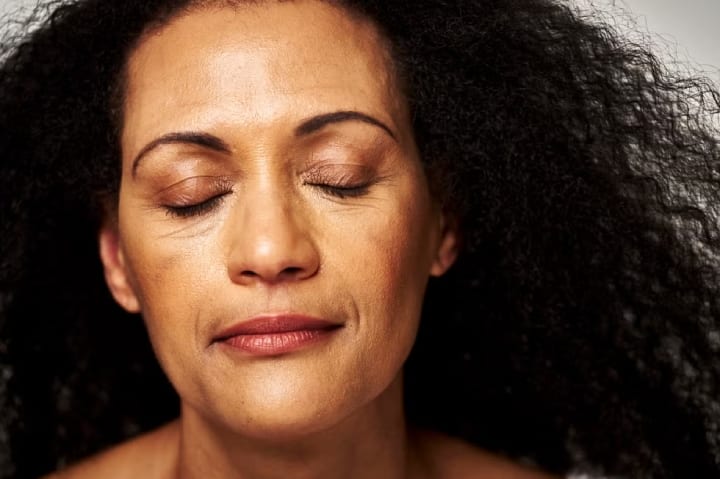
Longevity now seems to own all buzzy, not-yet-well-understood concepts in skincare, like epigenetics (gene activation), senolytics (removal of so-called zombie cells), microbiome (the ecosystem of our skin), and exosomes (cell-to-cell signalling and energy support). Some brands also offer supplements alongside topical care to maximize skin health outcomes.
Is Longevity Skincare Different From Anti-Ageing?
For now, not really. The distinction is largely conceptual and marketing-driven rather than completely rooted in new science, ingredients, or outcomes. Despite the shift in language, both approaches still rely on a lot of the same proven actives, testing methodologies, and deliver similar results. Longevity may promise gradual, sustained improvements rather than dramatic changes, but so can good anti-ageing skincare. If your routine already includes retinoids, niacinamide, alpha-hydroxy acids, peptides, humectants, and antioxidants, you’re already using longevity skincare.
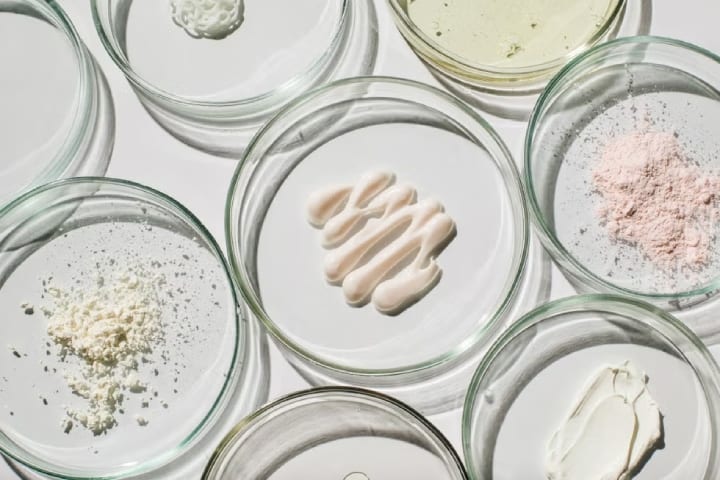
There's also the practical reality: even the best topical skincare can reach a plateau, often requiring stronger formulations, new actives, or professional treatments over time. Whether longevity-focused products that introduce new skincare concepts will behave differently remains to be seen.
While neither 'longevity' nor 'anti-ageing' is a standardized or tightly regulated term, 'anti-ageing' is at least well established. Regulatory bodies allow claims tied to measurable outcomes like improved elasticity, reduced pigmentation, and fewer wrinkles. Longevity, by contrast, remains loosely defined and largely unproven in its ability to extend the skin's healthspan over the long term. As a result, it's starting to be used freely, much like other vague industry favourites, such as 'clean beauty' or 'clinical-grade'.
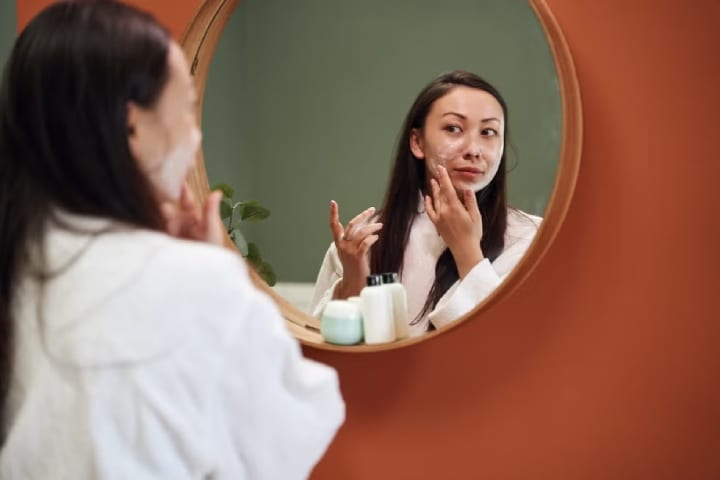
The promise of longevity skincare is that it targets biological ageing itself, not just visible signs. That’s an ambitious claim, and one that’s inherently hard to measure and substantiate. Though the science of ageing is real, it's still to be proven in over-the-counter skincare that would require large, long-term (maybe decades-long) clinical studies, along with evidence from biomarkers or even biopsies. Besides, if a product truly altered biological ageing over the long term, it would likely be regulated as a drug rather than a cosmetic, and if such products existed, they would represent an entirely new frontier in skincare science.
Final thoughts (so far…)
We all want to look younger for longer, and perhaps that very desire is what drives us to repackage the same goal in more palatable, less superficial-sounding terms. Whether we call it longevity or anti-ageing, both ultimately aim to slow and reverse the visible passage of time; one simply says it more directly.
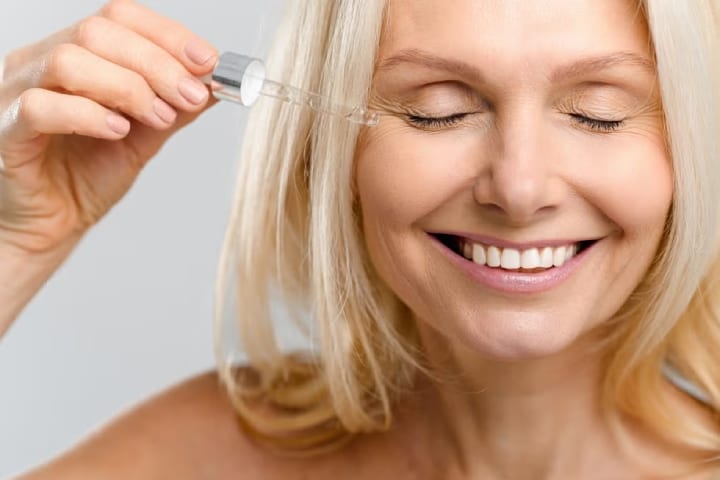
The shifting marketing is confusing, and it's hard to imagine the average consumer doesn't feel the same. But clarity may not be the goal. By rebranding familiar concepts with more aspirational language, the skincare industry gains flexibility, sidestepping stricter expectations while promising something that sounds like a step up: not just better skin, but longer-lasting youth. We hope they're right.

This story originally appeared on Cosmopolitan.com/UK. Minor edits have been made by the Cosmo.ph editors.
This Is Why Your Makeup Still Isn't Hitting Right—And The Skin Prep Routine TikTok Swears By
Your base isn't the problem here. 🧐
CONTINUE READINGSabina (she/her) is the director of the Beauty, Health & Sustainability Lab at the Good Housekeeping Institute, where she has overseen skincare, haircare and makeup testing since 2012. She also reviews applications, substantiates claims and evaluates products for the GH Seal and the Beauty Awards and Sustainability Awards programs. She has a B.S. in chemistry from Ithaca College and more than 16 years of experience working in the pharmaceutical and personal care industries.