How To Take Care Of Your Mental Health Amid Earthquake Scares, According To Experts
Published on Oct 14, 2025
When the ground shakes, so do we—physically and mentally. With all the recent news about earthquakes, especially with talks about the looming "Big One," it's hard not to worry and wonder how we can truly be ready for whatever might come.
But how exactly do we stay calm and take care of our mental health in these unforeseeable situations? Here's what experts said:
How to Take Care of Your Mental Health Amid the Fear of Natural Disasters
Acknowledge your fear and focus on what you can control.
According to Lordy Angelo Santos, psychologist and founder of Tito Mong Psychologist, with the recent incidents of earthquakes and natural calamities hitting the country, it is normal to feel fear and anxiety about them.
In an interview with Cosmopolitan Philippines, he pointed out that "emotions have their purposes, which is for us to be mentally and physically prepared."
But of course, recognition comes with being informed with the right information. In times of calamities and natural disasters, instead of feeding fear, it's equally important to rely on accurate and credible updates rather than fake news.
"Be updated with the facts by accessing reliable new sources so you'll keep yourself informed about what is happening, but avoid excessive engagement and limit exposure to distressing news. This may exacerbate the felt emotions, and we need to avoid being overwhelmed by them," Lordy shared.
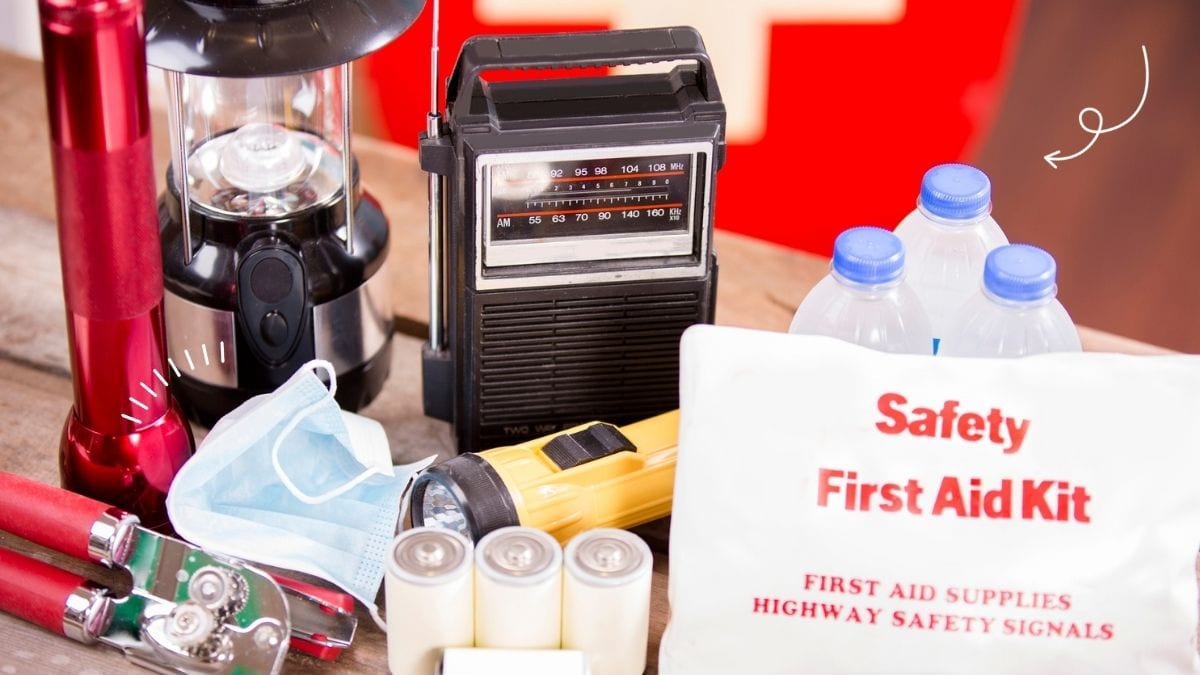
Lordy pointed out that such news can serve as a great guide to help us prepare accordingly—from establishing protocols and emergency kits to taking note of safe zones in your community and identifying secure spots.
Lovely Ana Aguas, or Ms. LA, psychologist and founder of The Holistic Healing Psychologist, also concurred and said that instead of "consuming distressing news or social media content can overstimulate your nervous system," we can instead look on the other side of the algorithm.
"It will be helpful to schedule specific times for updates, then focus on grounding and connecting with loved ones afterward. Instead of sleeping with the scary images as the last thing in our head, it is best to end our day with a lighter feeling and having a sense of control," Ms. LA expressed in an interview with Cosmo.
"Calamities and emergencies cannot be predicted and controlled, but we all have a say in our internal experiences by equipping ourselves with the necessary tools," she added.
Make sure to prepare and be informed.
Mental and physical preparation go hand in hand. As the saying goes, "failure to plan is planning to fail." Ms. LA said that discussions with your family and preparing a safety plan should be a priority so that you know what to do when disaster strikes.
"Anxiety usually comes from feeling unprepared or powerless in the situation. Discuss and rehearse with your family things like the place where to meet, important things to bring, and ways to communicate if separated," Ms. LA shared.
"Knowing what to do reduces panic because the mind already has a script to follow. Remember, the brain likes familiarity and patterns. If you are prepared, there will be less overthinking," she added.
Psychologist Dr. Gail Galang also noted that disasters and calamities don't mean we're completely powerless. There are still many things we can do to regain a sense of control.
"What truly helps is being prepared. Simple steps like packing a go bag or emergency kit for each family member, knowing the safest areas in your home or building, and discussing plans with your family or household staff can make a big difference," Dr. Gail said in an interview with Cosmopolitan Philippines.
"Taking action gives us a sense of control and readiness. When we focus on what we can do now, rather than on what might happen, we keep our minds calm and our emotions steady," she added.
Learn grounding and regulation techniques.
Life can feel overwhelming in these situations. That's why learning regulation techniques also helps! Lordy shared that "mindfulness and relaxation exercises, grounding exercises, or cognitive reframing activities" could help us rewire our brains and take control of our emotions and behaviors.
Ms. LA shared some simple strategies to do this: "For example, use the '5-4-3-2-1' method: Name five things you can see, four that you can touch, three that you can hear, two that you can smell, and one that you can taste. This helps calm your brain when it starts to overthink and imagine the worst scenarios. This is just one example of grounding."
Lordy also noted that even when there’s a calamity or disaster scare, it doesn't mean we should dwell on it. Taking care of our mental health also means allowing ourselves to continue engaging in normalcy and maintaining healthy routines.
"We can add activities and practices that support self-care, which include but are not limited to having good sleep, proper nutrition, continuous engagement in our leisure activities, improved connection to our primary support system, and proper exercise," he shared.
"If experiences started to become overwhelming or persistent, hopefully Filipinos may consider asking for professional help," he added.
Rachelle considers herself a woman of action. If she’s not picking up your call, chances are she’s deep into case digests or chasing a solid sweat session (IYKYK).