Love Is In Play: The Rally, The Pace, The Hold
You stay in step, even when life speeds up.

Published on Apr 30, 2026
There's a point in every relationship where you stop trying to define it and just fall into how it moves—and lately, you can see that play out in the spaces people keep showing up in.
Somewhere along the way, working out stopped being something you did alone. Group chats light up with, "Tara, takbo later?" that turn into full-on hangouts. Climbing gyms on a Friday night feel more like social sessions. Pickleball courts are booked out days in advance—not just for the game, but for the company.
These weren't always the most hyped spaces. Now, they're where people naturally gather with no pressure, no expectations—just something to do together. Gen Z didn't just make fitness a lifestyle. They made it a place to be, and more than that, a place to figure out who they want to be with.
That's probably why these sports keep showing up in how we talk about love. They're not just hobbies—they're where things actually happen. Where you meet someone, test the waters, figure out pretty quickly if the energy is mutual. You learn a lot about a person when the ball is in their court. Literally.

And of course, in a very Filipino way, a lot of it stays unspoken at first. You're not official, but you're already part of each other's routine. You show up at the same run club, save each other a slot on the court, spot each other on climbs. You don't label it, but they're included in your Strava run, you react to their each other's Stories, soft-launch them in a group photo or a quick clip mid-set.
Over time, those patterns settle into something familiar. A rhythm that's hard to explain, but easy to feel. And once you notice it, you understand the relationship less by what it's called, and more by how it works—how it returns, how it keeps pace, how it holds.
Pickleball: The Return
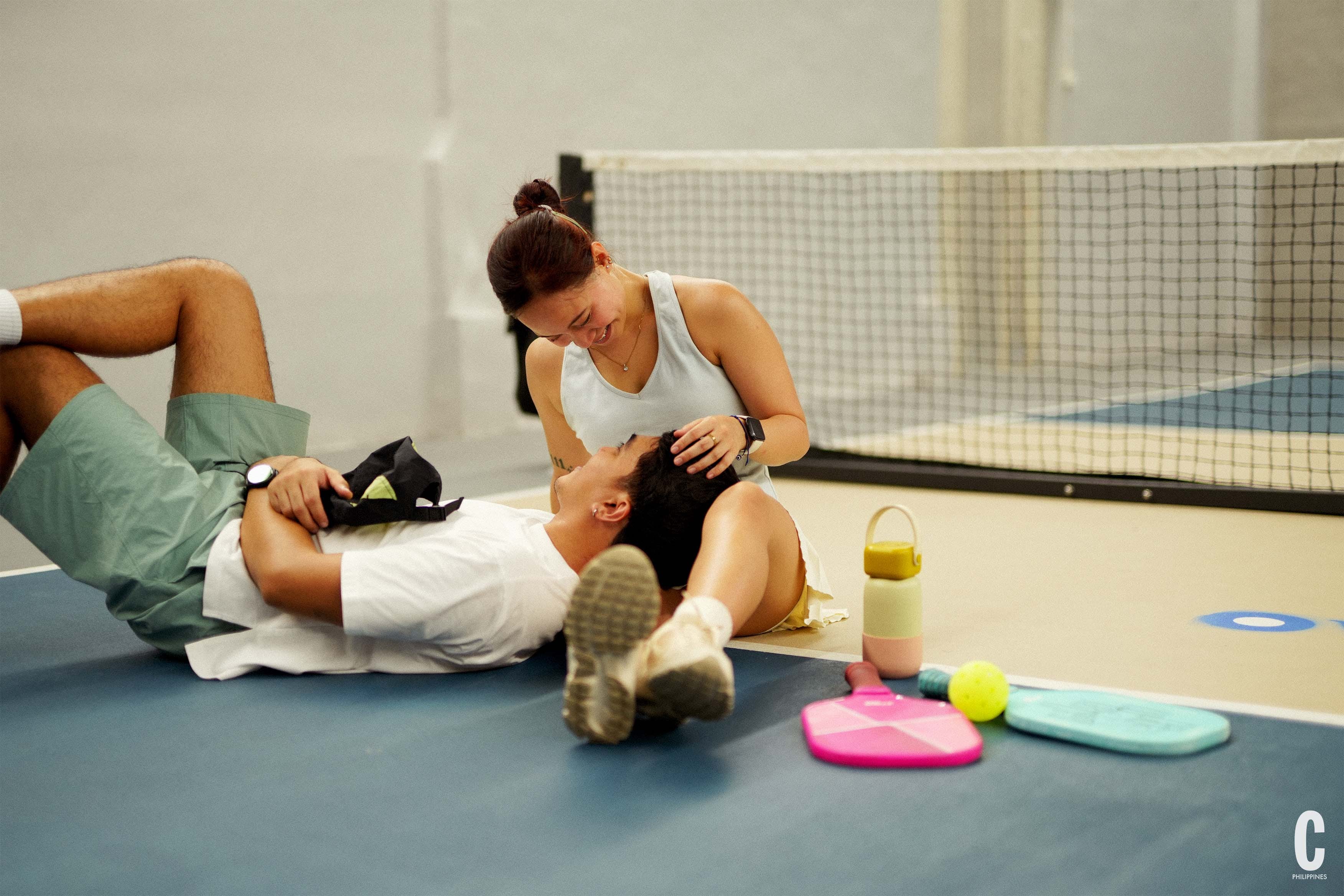
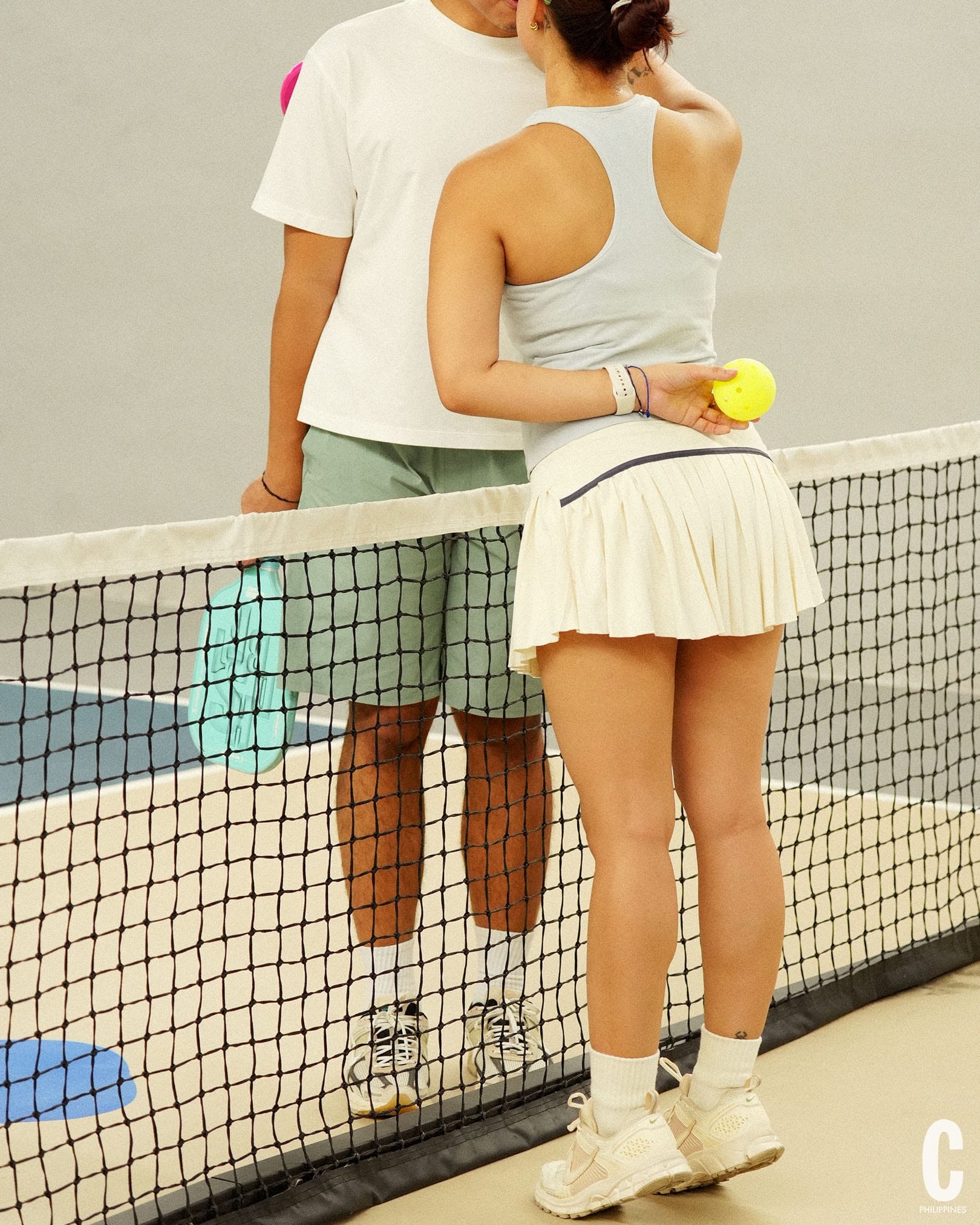
Pickleball is all about the exchange. You hit, they return. They adjust, you respond. The rhythm depends on both of you staying present—watching, reacting, keeping the ball in play without overthinking every move.
It's also one of those sports that’s become unexpectedly social. You come in with a group, rotate players, end up talking to people you didn't plan to meet. It's easy, low-stakes, and maybe just a little playful. It's the kind of setting where you can feel things out without making it a big deal.
Some couples move like that, too—that natural back-and forth that feels almost automatic. You say something, they pick it up. They suggest something, you meet them there. Conversations don't drop, and even when they slow down, they don't fully stop. You're both still in the moment, still present.
It's not about always having the perfect response. It's about returning the energy. Staying present enough to catch what's being given and send something back. A message answered, a plan followed through, a small detail remembered and brought up again.
Like a rally, it works because both people are paying attention. You don't need to overthink it. You don't need to calculate and take note of who's doing more. You just keep it going.
And when the rhythm is there, you feel it immediately. There's no lag, no awkward pause you have to fill on your own. Even when things are quiet, it still feels like you're both in the same exchange, just waiting for the next move.
And in moments like that, you start to notice the small things—how they respond, how they adjust, whether they meet you halfway. Even without saying it out loud, you get a sense of where you stand.
Running: The Pace
Running isn't about speed—it's about finding a pace you can sustain that can take you all the way. You fall into a rhythm, adjust your stride, and keep moving forward without burning out or losing momentum. Sometimes you run side by side, sometimes one pulls slightly ahead, but the goal is to keep going in a way that feels manageable.
And over time, that rhythm starts to extend beyond the run itself.
Running clubs now feel less like training and more like community. You run, then you hang out after. You start seeing the same people every week. You plan your schedule around it—not just for the run, but for who you'll see there.
Some relationships begin like a sprint, with everything happening all at once. Others build more gradually, like a slower run where you're still figuring out your stride. But eventually, things level out. It becomes less about how fast you're going and more about whether you can keep going like this.
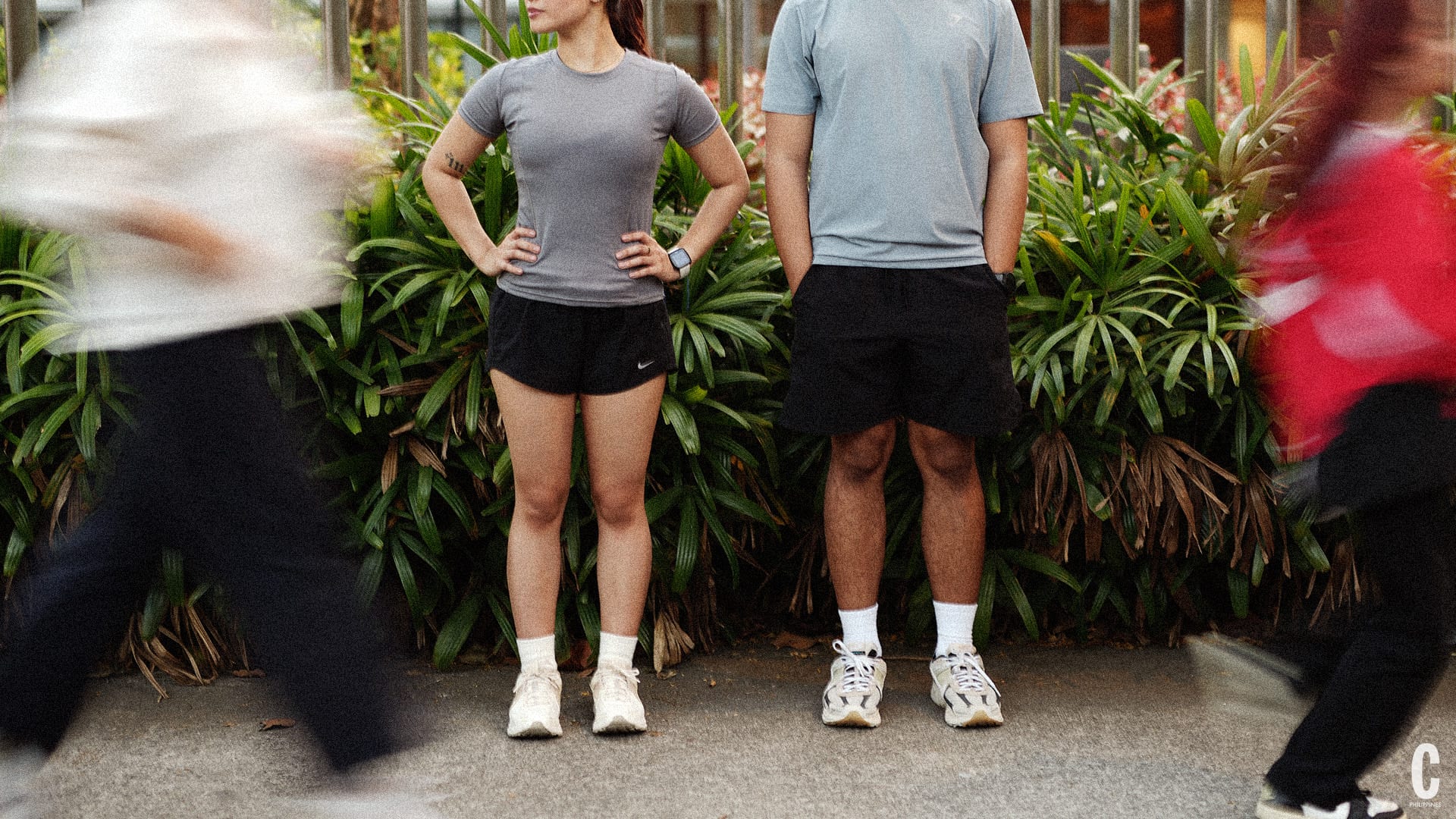
You start to notice what feels sustainable. How often you see each other, how your routines overlap, how the relationship sits alongside everything else you have going on. It's not about matching every step exactly, but about moving in a way that doesn't leave either of you too far ahead or too far behind.
And in between all that, there are the small things. Waiting for each other after a run. Sharing water. Posting each other's splits or progress without making it a big deal. Technically nothing official, but still something you both show up for.
.jpg)
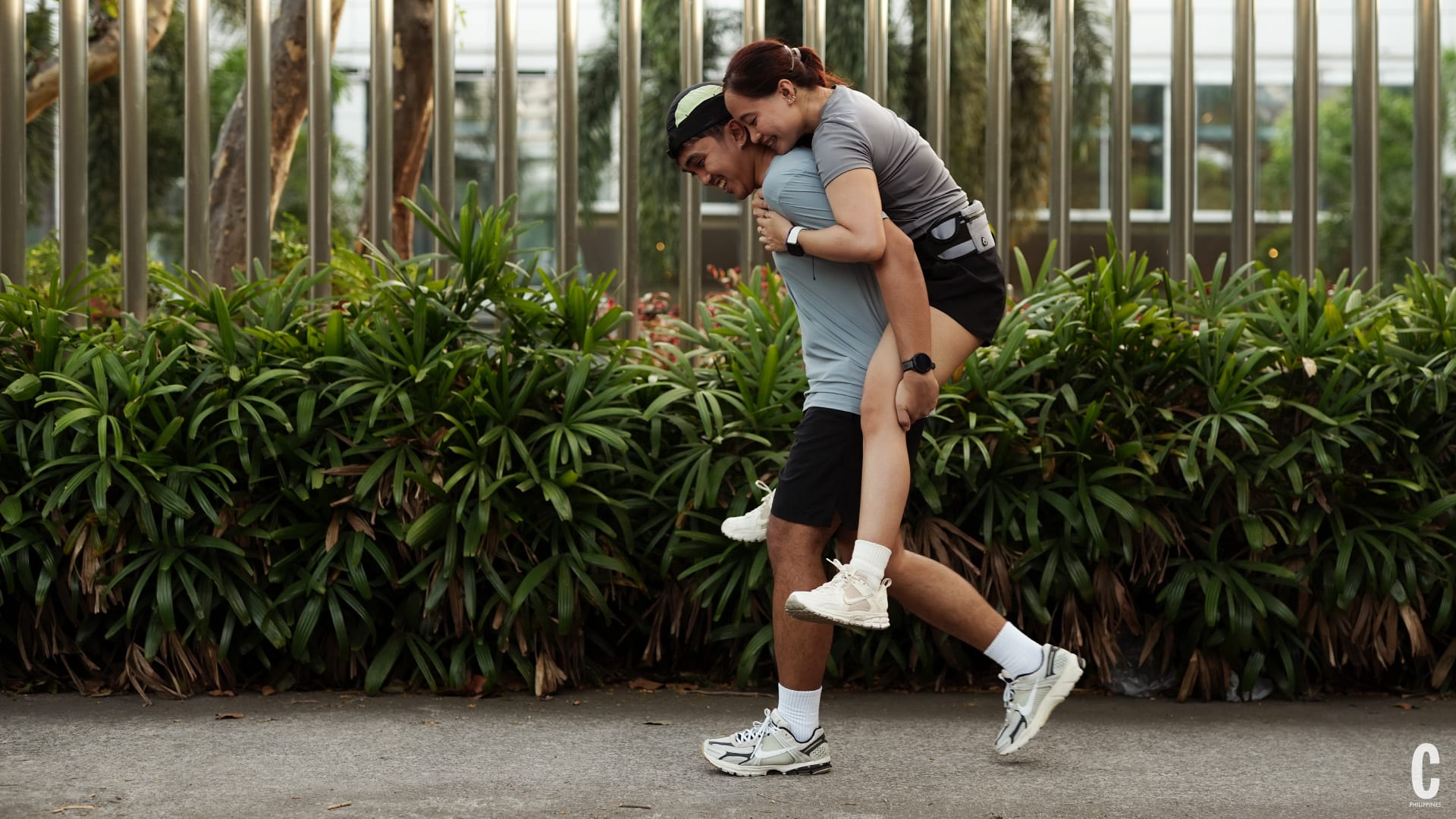
There are moments when one of you might speed up or slow down. Life shifts, priorities change. But when the rhythm works, there's an understanding that you'll adjust your pace—just enough that you're still side by side through it all.
It's not about keeping up. It's about not losing each other along the way.
Bouldering: The Hold
Bouldering and climbing are built on trust. Every move depends on what's holding you up—your grip, your footing, and the person spotting you below. You reach, shift your weight, and rely on something steady beneath you before making the next move.
And before you know it, it's not just you figuring out the route.
Climbing gyms have become their own kind of community. You map each other's routes, give tips, and cheer when someone finally makes it to the top. You don't always come in with the same people, but you leave adding a few more people to your friend group.
And then there's trust—the part that builds in the background, but holds everything together.
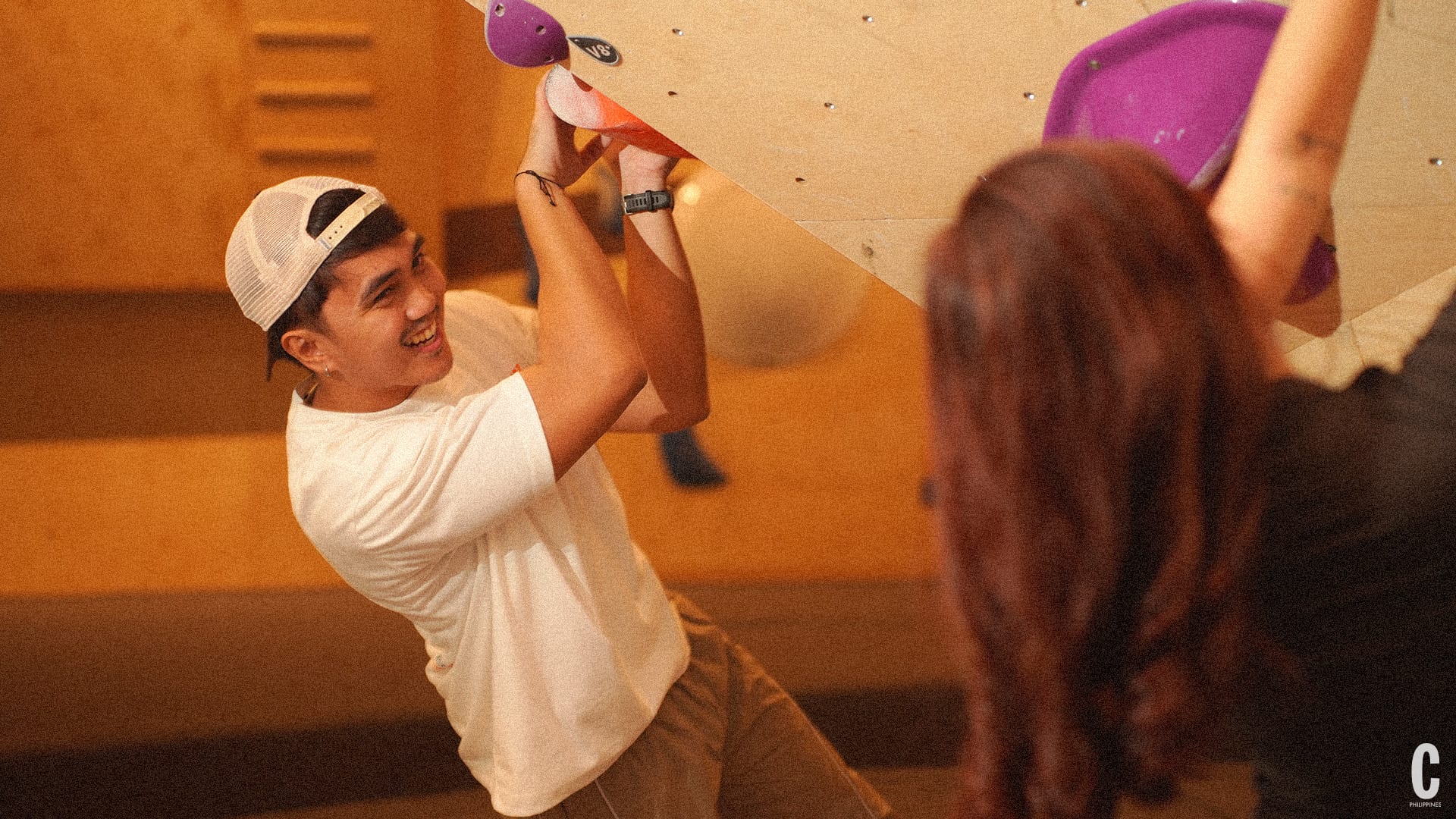
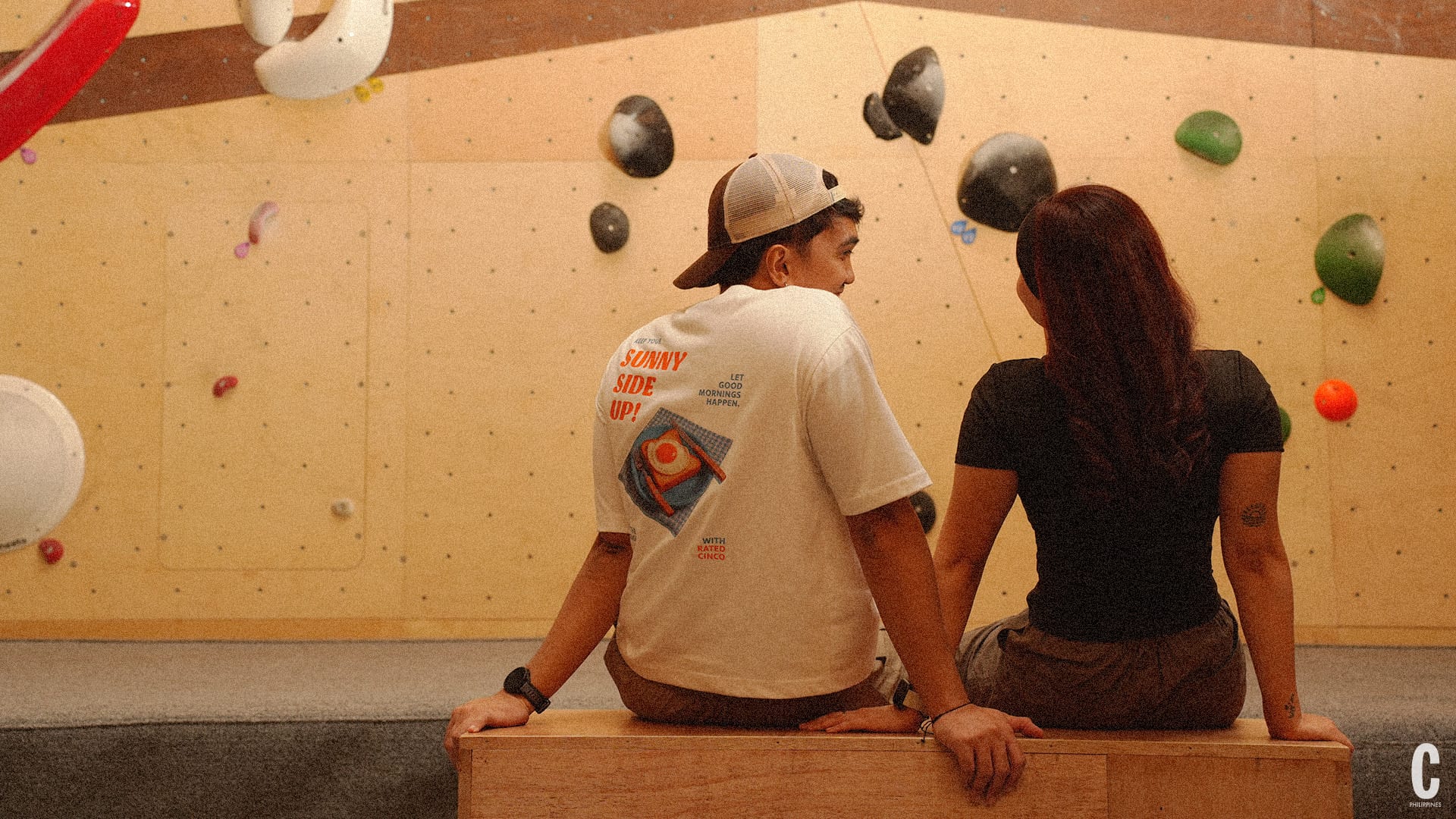
In sport climbing, one person moves, the other stays grounded. You rely on each other in ways that aren't always obvious, but are always there. There's a constant awareness—where the other person is, when to step in, when to give space.
In a relationship, it shows up the same way. Not through big declarations, but through consistency. You know they'll show up. You know they'll follow through. You don't have to test it or make mental notes every time.
There's space to move freely, knowing there's something—and someone—steady beneath you. You can reach a little further, take a bit more risk, without feeling like you're doing it alone. It's nothing big or dramatic like in the movies, but it's secure. And over time, that steadiness becames something you just stop questioning altogether.
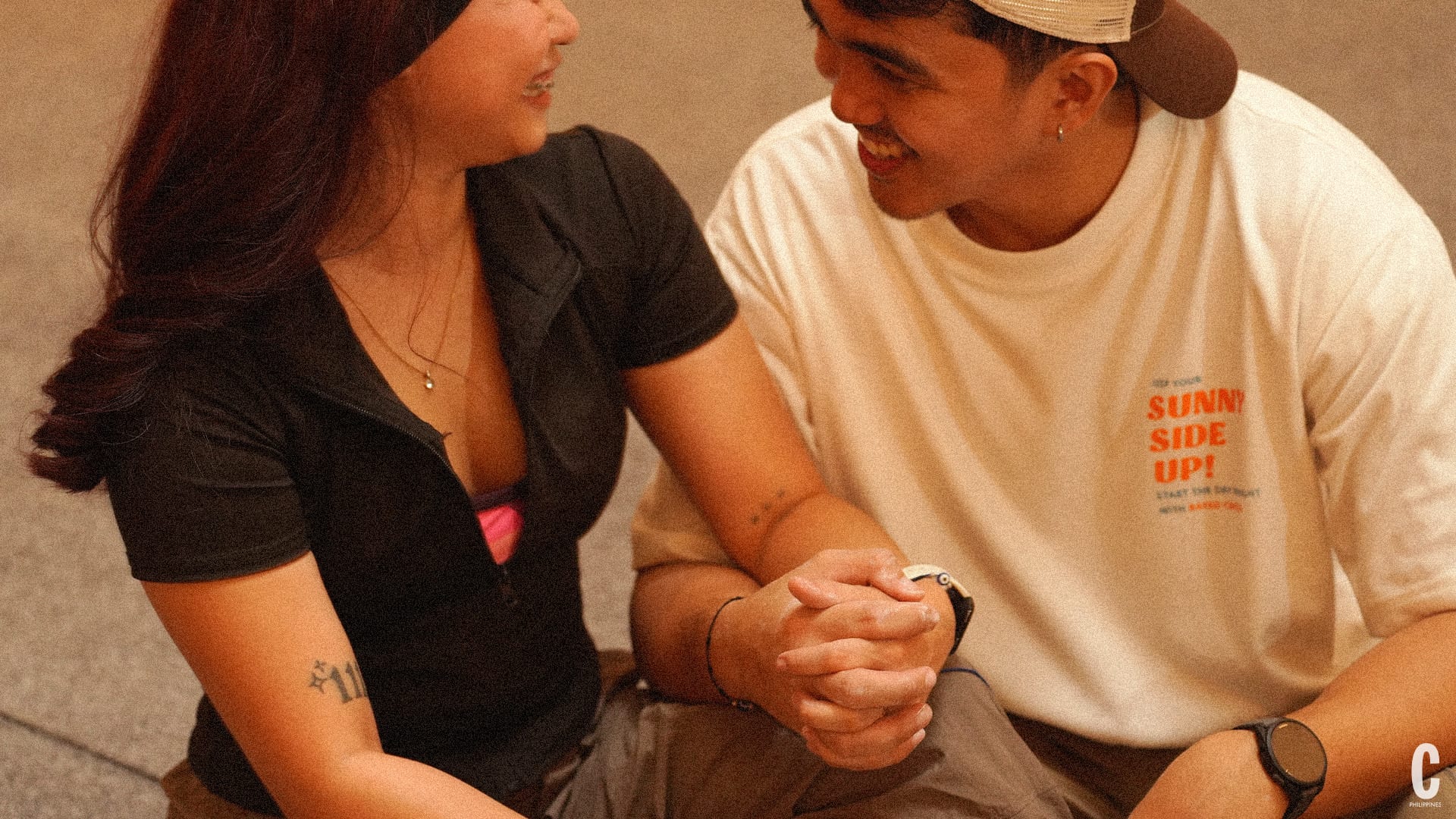
In the end, a healthy relationship doesn't happen all at once—it settles into place over time. You learn how to return to each other, how to match your pace, and how to hold steady when things shift.
It's not always perfect, and it's never truly going to be in sync. But there's a rhythm you keep finding your way back to—one built on effort that's matched, timing that works, and trust that holds.

Executive Editor: Ida Aldana
Art Director: Ica Del Mundo
Photographer: Belle Dinglasa, assisted by Rav Cantiga
Story: Cheska Santiago
Talents: Patricia Lantin and Ryan Ramos
Producer: Cheska Santiago
Co-Producer: Trixia Policarpio
Social Media: Aina Lizarondo
Shot on location at Eton Centris and Greenfield District, Mandaluyong. Special thanks to OH! Pickleball Court and Good Climbs.

Cheska is Cosmo's Lifestyle Editor. She writes what your group chat won't—on trends, dating, and 2 a.m. "Should I text him back?" thoughts. (You shouldn't.)